

Can You Get a Pilot’s License With a DUI? FAA Reporting Rules Explained
A DUI doesn’t automatically close the door on getting a pilot’s license, and it doesn’t take away one you already hold, but it does start a federal reporting clock that catches a lot of pilots off guard. Anyone who already holds an FAA certificate has to report an alcohol or drug related motor vehicle action in writing, and the deadline is 60 days.
That duty exists apart from anything you disclose on a medical application. A student working toward a first certificate gets reviewed differently than someone keeping a certificate they already have, and the FAA looks at what happened in each case. What follows walks through one regulation, one deadline, and how the medical side fits around both, starting with exactly what has to be reported.
What Counts as a Reportable Motor Vehicle Action for Your Pilot’s License
14 CFR 61.15 defines a motor vehicle action as a DUI-type conviction, a related license cancellation, suspension or revocation, or a related license denial.
A conviction for operating a motor vehicle while intoxicated, impaired, or under the influence of alcohol or a drug is one. A cancellation, suspension, or revocation of a driver’s license for that same kind of conduct is another, and a denied application for one counts too.
That second category catches people off guard. Many states suspend a license administratively, at the time of arrest, long before a court date is set. That suspension is its own reportable motor vehicle action under the regulation, separate from whatever the criminal case eventually decides. A single DUI arrest can produce two reportable events on two different dates: the license suspension first, then the conviction later.
A speeding ticket, an at fault accident, or a traffic violation with no alcohol or drug element doesn’t qualify. The rule is scoped to license actions and convictions tied specifically to intoxicated, impaired, or under the influence driving.

The 60-Day FAA Reporting Rule

A certificate holder has to send a written notification to the FAA’s reporting office within 60 days of a reportable motor vehicle action. The clock starts at the action itself, meaning the date a license was suspended or the date of conviction, not the date of sentencing and not the date an attorney gets involved.
If an administrative suspension and a later conviction both come from the same arrest, each one starts its own 60-day window. The notification includes the certificate holder’s name, address, date of birth, and airman certificate number, the type of violation, the date of the action, which state holds the record, and whether the action is related to one already reported.
Missing the deadline is a separate problem from the DUI itself. A late or missing report is, on its own, grounds for the FAA to deny a certificate application for up to a year or to suspend or revoke a certificate already held. The underlying DUI and a missed FAA deadline get evaluated independently.
Why Reporting on a Medical Application Doesn’t Replace This
Every FAA medical certificate application asks about drug and alcohol related convictions and license actions, and a certificate holder has to answer it in full. That disclosure is required, and it doesn’t substitute for the 60-day report.
An arrest alone doesn’t have to be reported to the FAA’s investigations office, but it does have to be disclosed the next time a medical certificate application is filed, whether or not that arrest ever becomes a conviction or a license action. A suspension or a conviction has to be reported within 60 days regardless of when the next medical application happens to fall due.
These run on two different timelines, through two different parts of the FAA, and satisfying one doesn’t satisfy the other. A certificate holder who discloses everything on a medical application but skips the 60-day notification still has an open reporting problem. One who sends the notification on time but then misstates the history on a later medical application has a different one. Treat them as two separate obligations, because the FAA does.
What an Aviation Medical Examiner May Ask For

When a drug or alcohol related offense is on file, the FAA’s own guidance for applicants lays out what an Aviation Medical Examiner typically asks an applicant to bring. That includes complete copies of court records tied to the offense, a current driving record from the Department of Motor Vehicles for each state where the applicant has held a license over the past ten years, and any records tied to treatment, hospital care, or an assessment for substance use connected to the offense.
Pulling a DUI background check ahead of the appointment is one way to see what a driving record and court file will show before the examiner does. These documents, ready and in hand, keep the appointment moving. An incomplete file is a common reason an exam gets deferred to the FAA’s medical certification division for further review, which adds time to the process.
None of this guarantees a specific result. What gets filed and what the FAA decides from it are two different steps, and only the FAA makes that call.
Two Motor Vehicle Actions Within Three Years Changes the Stakes
One properly reported DUI is already a serious problem on its own. A second motor vehicle action within three years of the first changes what’s at stake.
Under 14 CFR 61.15, a second motor vehicle action occurring within three years of an earlier one is grounds for the FAA to deny a new certificate application for up to a year after the later action, or to suspend or revoke a certificate the applicant already holds. The regulation states this as a published rule, and it applies whether the two actions happened in the same state or different ones. An exception exists for two actions that come out of the same incident or the same set of facts, which don’t count as separate actions for this purpose.
What the FAA does with a second reportable action depends on the specific record, and nobody outside the FAA can forecast that outcome for an individual case. Talk to an aviation attorney who handles FAA enforcement before filing anything once a second action is involved.
Flight Training, Airline Hiring, and Keeping a Pilot’s License Are Different Questions
A student working toward a first certificate, a certificate holder managing one DUI, and someone applying for an airline job after a DUI are answering three different questions, and collapsing them into one answer misses how each one works.
A student pilot certificate is a Part 61 certificate, so the 61.15 reporting duty applies to a student the same way it applies to a licensed pilot: a written report to the FAA within 60 days of the motor vehicle action. Someone who hasn’t applied for any certificate yet has no report to file, but the DUI still has to be disclosed on the medical application, and the examiner may still ask for the same court and driving records described above. The same conviction can also follow a pilot into how a DUI affects a job search outside aviation, since many employers run the same kind of background check an airline does.
A certificate holder who reports on time, cooperates with the medical process, and has no second action within three years avoids the extra scrutiny a missed deadline invites. That compliance record is also what a pilot has on hand if talking to an employer about a DUI comes up during a hiring process, aviation or otherwise.
Airlines run their own background checks and set their own hiring standards, separate from whatever the FAA requires for the certificate itself, and those standards vary by carrier. A pilot facing losing a job over a DUI after the fact is dealing with an employer’s decision, not an FAA one. No outside rule predicts how any one airline will treat an individual applicant’s record.
Where an Interlock Fits In
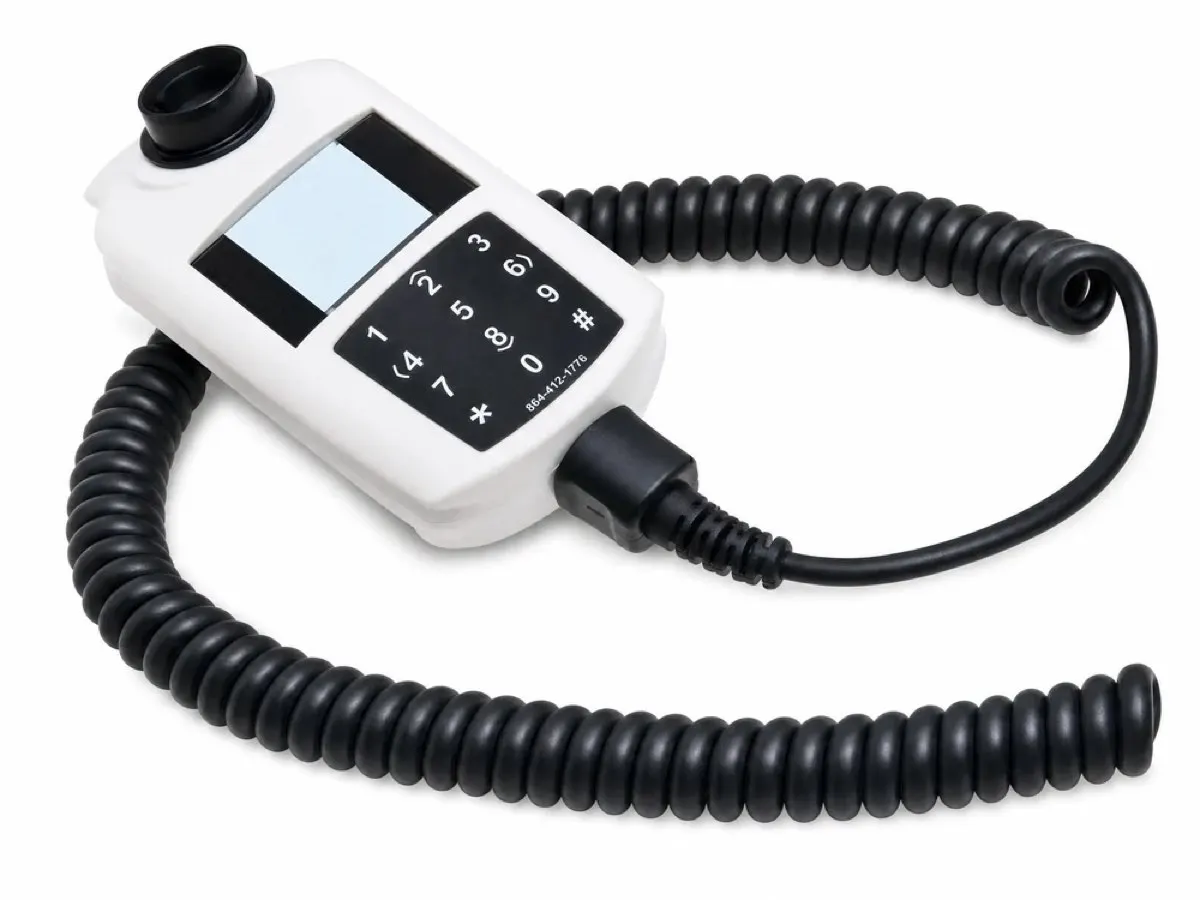
A hardship license after a DUI often comes with a court or state Department of Motor Vehicles (DMV) order for an ignition interlock as a condition of driving again. That part of a DUI case sits entirely on the state side. A limited license paired with an interlock device lets a driver keep working and keep flying lessons or work travel on schedule while the court process plays out, and it has no bearing on what the FAA reviews under 61.15 or on a medical application.
The ignition interlock device itself logs test results, engine starts and stops, disconnections, location, and any tampering, and that record goes to whichever authority the state designates to monitor the case. None of that changes the 60-day report or the medical certificate review. The state side and the FAA side run on separate tracks with separate deadlines, and installing the device doesn’t move either one along faster. A driver works through a state’s DUI program requirements on the state’s own schedule, when and as a court or DMV orders the device installed, never ahead of it.
For the driving side of a DUI case, Low Cost Interlock installs state-certified ignition interlock devices with a Price Match Guarantee, no hidden fees, and a quote in about a minute for any driver with a court or DMV order already in hand.
Frequently Asked Questions
What disqualifies you from getting a pilot’s license?
No single fact about a DUI disqualifies a pilot automatically. The FAA reviews the whole file: whether the required reports went out on time, and what an Aviation Medical Examiner finds in the supporting records. A clean compliance record counts for more with the agency than the DUI itself.
Can I be a pilot with two DUIs?
A second DUI is survivable, but 14 CFR 61.15 gives the FAA real grounds once two actions land within three years of each other: denying a new application, or suspending or revoking a certificate already issued, are both on the table. Talk to an aviation attorney before filing anything in that situation.
Will airlines hire you with a DUI?
An airline’s hiring bar and the FAA’s certificate requirements are two separate reviews. One doesn’t predict the other, and each airline judges a DUI against its own record, case by case.
When must you report a DUI to the FAA?
No later than 60 days after the motor vehicle action, counted from the suspension or conviction date, never from sentencing. One arrest can trigger that deadline twice if both a license suspension and a later conviction follow from it.
A DUI case alongside an active pilot’s license means tracking two deadlines instead of one. Schedule an interlock installation with Low Cost Interlock once a court or DMV has ordered one, and keep the FAA side of the case moving on its own 60-day schedule.
Disclaimer: This article is provided by Low Cost Interlock for general informational purposes only and is not legal, financial, or medical advice. DUI and ignition interlock laws, penalties, fees, and program requirements vary by state, county, and individual circumstances, and they change over time. Any costs, timelines, or figures mentioned are general estimates, not quotes or guarantees. Nothing here should be relied on as a statement of the law in your jurisdiction. Always confirm current requirements with your state DMV, the court handling your case, a licensed attorney, or Low Cost Interlock directly before making decisions. Product features, pricing, availability, and promotions referenced are subject to change and may not be available in every state Low Cost Interlock serves.