

How Many Interlock Violations Can You Have?
How many interlock violations can you have? There isn’t one number that applies everywhere. It depends on your state and on the authority that monitors your ignition interlock device (IID), which is usually a court, the state’s Department of Motor Vehicles (DMV) or a state interlock program. Your court order and your program paperwork are the only places that answer the question for your case.
What you can control is simpler. Know what your program counts as a violation, keep every appointment, and call support the moment something on the device looks wrong.
What Counts as an Interlock Violation?
A violation is an event the device records that breaks a rule of your interlock program. The interlock device logs each breath test result, engine starts and stops, power disconnections and signs of tampering, and that log is reported to your monitoring authority.
Events that commonly count as violations include:
- A failed initial breath test, when the sample is above the alcohol level your program sets
- A failed or skipped rolling retest while you’re driving
- Tampering with the device or trying to get around it
- Removing the device before the requirement ends without approval
- Missing a scheduled service or calibration appointment
Tennessee shows how one state defines the list. Its interlock program counts removing the device early, not having it serviced at least every 30 days, tampering with or trying to circumvent it, trying to start the vehicle with a breath alcohol concentration (BrAC) above .020%, failing a random retest above .020%, and skipping a random retest. Your state’s thresholds and appointment windows may differ, so read your own program’s definition.
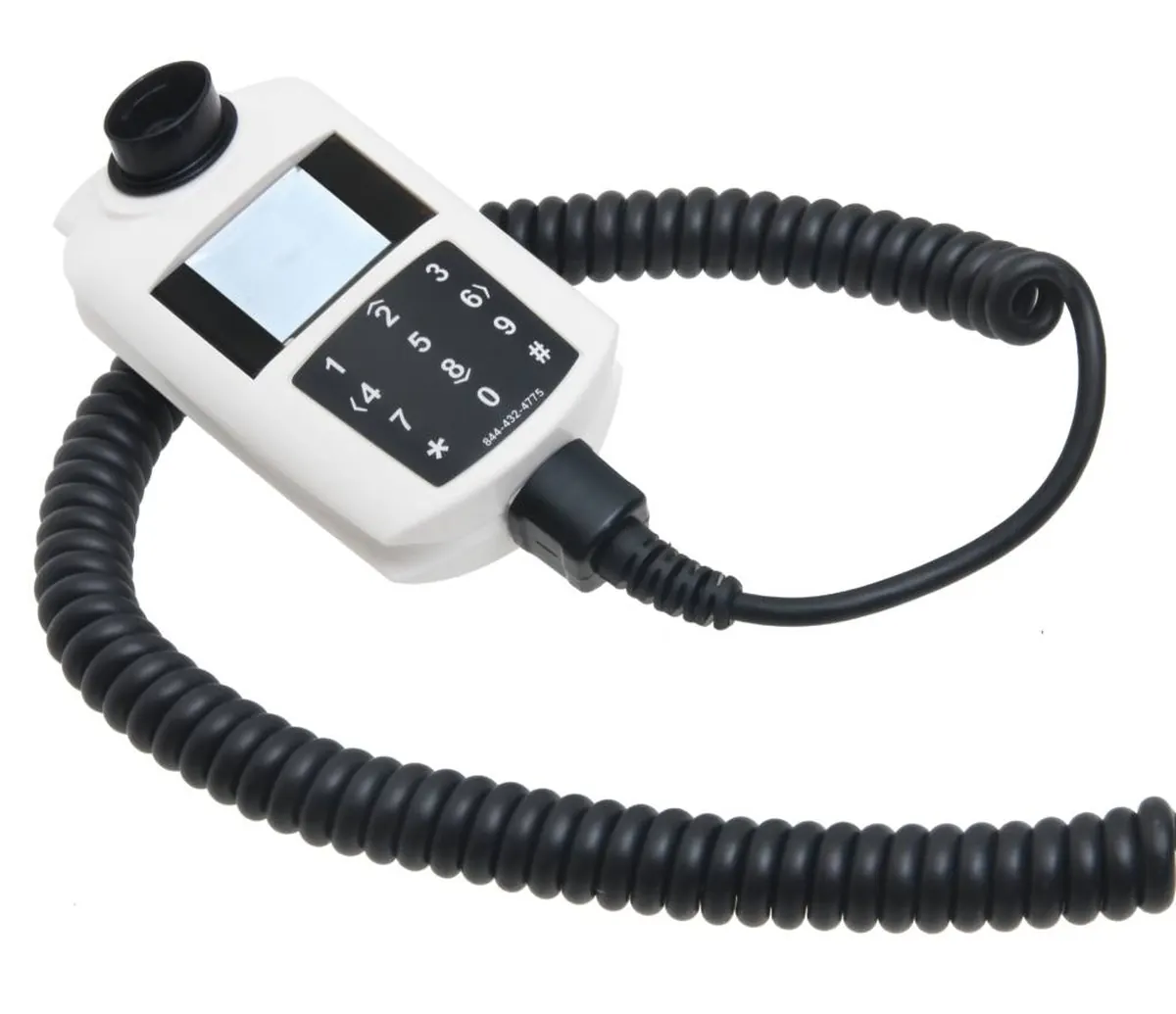
Your device’s user guide shows how to give a breath sample the way the device expects, which helps you avoid a failed test caused by a short or weak blow.
How Many Interlock Violations Can You Have Before Penalties Start?
How many interlock violations you can have before something changes depends on your state and your monitoring authority. Your program may not publish a set number of allowed violations at all. Each violation is recorded, and the authority that oversees your requirement decides what follows under its own rules.
In Tennessee, for example, certain violations near the end of the requirement can extend it, and removing, tampering with or circumventing the device before the requirement ends can restart it. Those rules come from Tennessee’s own program, and another state can treat the same event differently.
Where the requirement comes from also varies. In Florida, the interlock requirement follows certain driving under the influence (DUI) convictions under the state’s DUI statute, and the state’s ignition interlock program page explains when one applies.

To get the answer for your own case, read your court order and any program notice, then ask the monitoring authority or your attorney how violations are counted and what each one can mean for your requirement.
What Happens When You Have Too Many Interlock Violations?
The consequences of repeated violations are set by the court or the agency that monitors you, not by the interlock provider. Depending on the state and the violation, they can include:
- A longer interlock requirement
- A requirement that starts over
- A license suspension or revocation
- Further fines or a return to court
Not complying at all is its own problem. In Wisconsin, a driver with an interlock order can’t simply wait it out, and the state’s interlock guidance says offenders may be prosecuted for failing to comply with the order.

Your attorney can tell you which of these interlock violation consequences apply where you live.
How to Avoid Interlock Violations
A few habits help you avoid an interlock device violation. Build them into your routine from the first day.
- Give every breath sample the device asks for, including each rolling retest.
- Keep every service and calibration appointment your program sets, and book the next one before you leave.
- Leave the device and its wiring alone, and call support before any car repair that could cut power to it.
- Wait a little after eating, drinking anything or rinsing before you blow, since some products, mouthwash among them, can leave alcohol in your mouth for a short time.
- Don’t drink and drive.
What to Do If You Get an Interlock Violation
If the device records a violation, call support first. Call (844) 387-0326, or use the emergency tech support page if the car won’t start. Describe what happened and ask what the device recorded.
Then write down the date and time, keep any notice you receive from your monitoring authority, and read it closely to see what happens after a failed interlock test in your program. If the notice could affect your license or your case, talk to your attorney before you respond.
What If You Think a Violation Was Recorded by Mistake?
A violation you don’t believe is right can usually be questioned, but the process belongs to your state. Food, mouthwash and some other products can sometimes cause a false reading, so start by calling support and asking what the device logged.

Tennessee spells out its own steps. A driver who believes a violation extended the program in error first asks the provider to reconsider the finding. If the provider stands by it, the driver can accept the extension or request an administrative compliance review from the state program, with the evidence attached.
Other states handle disputes their own way, so ask your monitoring authority how its review works and what it needs from you. A review’s outcome is the agency’s decision, and nobody can tell you in advance how it will turn out. Your attorney can help you prepare.
Frequently Asked Questions About Interlock Violations
What happens if you get a violation on interlock?
The device records the event and it’s reported to your monitoring authority, which decides what follows under your state’s rules. Depending on the state and the violation, that can mean a warning, a longer requirement, a restarted requirement or a license action. Call support first to learn what the device recorded, then read any notice you receive and talk to your attorney if it affects your license.
Can you get a DUI for failing interlock?
A failed test on the device is recorded as a program violation and reported to your monitoring authority. Whether anything else follows, including any new charge, depends on your state’s law and on what happened. If you’ve received a notice or been contacted by law enforcement after a failed test, talk to your attorney before you respond.
Does one violation always make the program longer?
No single rule covers every state. Some violations may lead to an extension and others may not, depending on the program, the type of violation and when it happened. In Tennessee, for example, the timing of certain violations decides whether the requirement is extended. Your court order and your program’s rules give the answer for your case.
Who decides what counts as an interlock violation?
Your state’s program sets the rules. In Tennessee, interlock manufacturers determine violations and report them to the state program every month. Elsewhere the court, the DMV or a state agency may play that role. Your program paperwork names the authority that oversees your requirement and where to send questions.
Get Help With Your Interlock
If a court or DMV requires an interlock, Low Cost Interlock can schedule your installation once that requirement is in place, with transparent pricing, no hidden fees and flexible billing options. Get a 60-second quote or schedule your install. Your state’s page lists local service centers. See California or Minnesota, or contact the team with any question about a recorded event, or call (844) 387-0326.
Disclaimer: This article is provided by Low Cost Interlock for general informational purposes only and is not legal, financial, or medical advice. DUI and ignition interlock laws, penalties, fees, and program requirements vary by state, county, and individual circumstances, and they change over time. Any costs, timelines, or figures mentioned are general estimates, not quotes or guarantees. Nothing here should be relied on as a statement of the law in your jurisdiction. Always confirm current requirements with your state DMV, the court handling your case, a licensed attorney, or Low Cost Interlock directly before making decisions. Product features, pricing, availability, and promotions referenced are subject to change and may not be available in every state Low Cost Interlock serves.