
Ignition interlock requirements can get confusing fast when you own or drive multiple vehicles after a DUI. You might have a primary car, an old truck you use on weekends, a company vehicle, or a spouse’s car you occasionally borrow—yet your order may say you can only drive vehicles equipped with an interlock. Knowing exactly which cars must have a device installed is critical if you want to stay licensed and avoid new charges.
This guide walks through how ignition interlock rules interact with multiple vehicles in plain language. You’ll learn how courts and DMVs typically phrase the restrictions, what happens with shared family cars, employer vehicles, rentals, and extra cars you rarely drive, plus practical steps to manage costs and stay compliant when more than one vehicle is involved.
Why Multiple Vehicles Complicate Ignition Interlock Rules
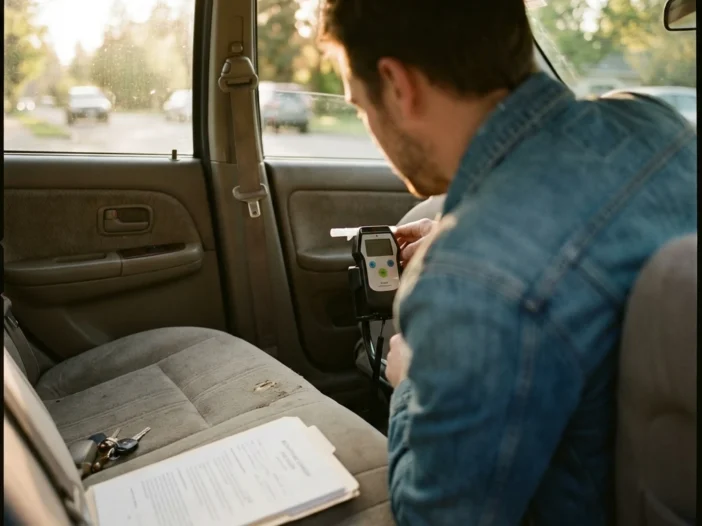
An ignition interlock device (IID) is essentially a breathalyzer wired into your car’s starter. When you are under a DUI-related restriction, your license is usually conditioned on only driving vehicles equipped with a working IID that records every test and sends data to your monitoring agency.
That sounds simple if you only own one car. But many people have several vehicles, share cars in a household, or drive employer-owned trucks or vans. The more vehicles in your world, the more chances there are to misunderstand what your specific interlock order actually requires.
Three Common Ways States Phrase Ignition Interlock Obligations
States and courts don’t all use the same wording when they order an IID. Broadly, multi-vehicle language tends to fall into three patterns, and which one applies to you will drive everything else about your compliance plan.
| Legal wording pattern | Plain-language meaning | Impact if you have multiple vehicles |
|---|---|---|
| “Any vehicle you operate” | You may only drive vehicles that have a functioning, monitored ignition interlock. | Every car you actually drive must have an IID; you cannot legally drive non-equipped vehicles. |
| “All vehicles registered/titled in your name” | Every vehicle you legally own is subject to the interlock requirement. | Even cars you rarely or never drive may have to be equipped, unless you get a waiver. |
| “Designated vehicle(s) only” | The order or DMV paperwork lists specific VINs or plate numbers. | You are allowed to drive only the listed vehicle(s); driving any other car is typically a violation. |
As all-offender programs have expanded, more drivers are covered by these kinds of rules. According to a 2025 North America ignition interlock devices market report from Coherent Market Insights, 23 states now mandate ignition-interlock programs for all drunk-driving offenses, which means a growing number of people must navigate multi-vehicle requirements.
A 2025 overview from the Governors Highway Safety Association notes that as more states adopt “all-offender” policies, safety advocates have pushed legislatures to close loopholes that once let restricted drivers use secondary vehicles without interlocks, helping tighten multi-vehicle compliance language in several jurisdictions.

Do You Need an Ignition Interlock on Every Car You Own?
The honest answer is: it depends entirely on the exact language in your court order, DMV paperwork, and any probation conditions. Those documents decide whether your obligation follows you (any vehicle you operate), follows your name on the title (all registered vehicles), or is limited to one or more designated vehicles.
Start by gathering every document related to your DUI case and driver’s license: sentencing order, restricted-license letter or reinstatement notice, probation terms, and any ignition interlock enrollment forms. Read them slowly, circling phrases like “any vehicle,” “all vehicles registered to you,” or specific VIN numbers. That wording is usually your roadmap.
How Ignition Interlock Multiple Vehicles Rules Typically Work
Once you know which pattern applies, the multi-vehicle rules become more predictable:
- If your order uses “any vehicle you operate”, you may not drive a car, truck, or SUV unless it has a functioning ignition interlock linked to your account. That includes family cars, borrowed vehicles, and many employer vehicles when you are the driver.
- If it applies to “all vehicles registered in your name”, you usually must equip each titled vehicle, even ones other people mostly drive, unless your state offers a waiver for cars primarily used by others.
- If it lists specific vehicles, your legal driving universe shrinks to those VINs; even if another car has an IID installed, you may be in violation if it’s not one of the designated vehicles.
Under-installing devices—such as putting an IID on your main car but not on a spare vehicle you still drive—can have serious consequences. A 2024 traffic-safety review from the National Conference of State Legislatures reported that only about 15–20% of DUI offenders ordered to install ignition interlocks actually follow through, and people with several vehicles are a major part of that compliance gap.
To help courts, DMVs, and lawyers sort out these issues, the National Conference of State Legislatures state ignition interlock laws summary catalogs each state’s statutes, flagging where the law mentions all owned or registered vehicles, where it covers vehicles you operate, and where exemptions or employer-vehicle waivers exist. That kind of resource can clarify your state’s default rule, but you still need to follow the exact wording of your individual order.
If anything is unclear, bring a complete list of the vehicles you own and drive to your attorney, probation officer, or licensing agency and ask them to confirm, in writing if possible, which cars require an ignition interlock and which you must not operate at all.

Real-World Scenarios for Ignition Interlock and Multiple Vehicles
Life rarely fits neatly into a legal form. Most households have a mix of primary cars, older vehicles, and shared transportation. Understanding how your ignition interlock restriction applies in real situations keeps innocent mistakes from turning into violations.
Household and shared vehicles
If your order covers “any vehicle you operate,” a spouse’s car, a roommate’s SUV, or an adult child’s vehicle is treated just like your own whenever you are the one driving. Without an ignition interlock installed and linked to your account, you generally must not drive that vehicle, even for a short emergency trip.
Some states historically went even further by tying the interlock obligation to registration rather than use. In North Carolina, for example, an earlier rule required offenders to install ignition interlocks on every vehicle registered in their name, even ones they never drove, which created steep costs and headaches for families; a 2021 statutory revision described by the UNC School of Government instead limited the requirement to vehicles the offender actually operates and added a waiver process for cars primarily used by other household members, reducing installation costs, allowing limited driving privileges about 45 days sooner, and cutting down on accidental violations tied to family vehicles.
If your spouse or another adult in the home wants to keep a vehicle free of an IID and you are under an “all vehicles registered” model, ask your lawyer whether your state offers a waiver or recommends transferring title to that person for the duration of your restriction.
Rentals, borrowed cars, and rideshares
Rental companies and friends’ vehicles bring additional risk. It is rarely possible to temporarily install an ignition interlock in a rental car on short notice, and friends may not be willing—or legally permitted by their lender—to modify their vehicle’s wiring.
In many jurisdictions, driving any non-equipped vehicle while under an IID restriction is treated as a violation equivalent to driving outside the terms of your license, regardless of who owns the car. Practically, that means you should plan to use taxis, rideshares, or public transit for situations where you cannot access a vehicle with an authorized ignition interlock device installed for your use.
Employer and commercial vehicles
Employer-owned vehicles are a special category. If you are a delivery driver, technician, or commercial operator who drives multiple company vehicles, the “any vehicle you operate” model can be especially hard to satisfy.
Some states allow limited employer exemptions or waivers if you do not own the vehicle and your employer gives written consent, but others require interlocks on work vehicles as well, especially if the vehicle is assigned to you. Human resources or fleet managers will often want to know exactly what your order says, what data the ignition interlock records, and how it affects insurance and liability.
Because work vehicles can be rotated or reassigned, it is important for your employer and your interlock provider to coordinate which truck or van is equipped and who is authorized to drive it, particularly if your company is pursuing broader fleet-compliance solutions.

Managing Costs and Compliance When You Need Multiple Ignition Interlocks
Every ignition interlock installation is tied to a specific vehicle identification number (VIN), and each unit requires its own monitoring and periodic calibration. If you have three cars and need devices on two of them, you will incur separate installation and monthly monitoring costs for each equipped vehicle.
Because of that, many drivers choose to limit how many vehicles they continue to use while under an ignition interlock requirement. Parking or storing extra vehicles, or letting another household member be the only person who drives a non-equipped car, can be more affordable than putting devices on everything you own.
Step-by-step: adding another vehicle to your ignition interlock program
When you decide—or are ordered—to put an IID on an additional vehicle, the process typically looks like this:
- Confirm it is required or allowed. Double-check with your attorney, probation officer, or DMV that adding a second vehicle fits your court order and will not create conflicting records.
- Contact your ignition interlock provider. Have the VIN, license plate, and general make/model ready, along with your case or client number.
- Schedule installation. Choose a convenient shop location and time; bring all keys and fobs for that vehicle so the technician can ensure the device controls every way the car can be started.
- Link the new device to your account. The technician will configure the unit, camera (if required), and reporting so data from that vehicle is correctly tied to you.
- Update your routine. Note the calibration schedule for the new IID, set reminders, and make sure anyone who might borrow the car understands they cannot start it without a proper breath sample.
Each device will generate its own log of start attempts, test results, and any violations, all tied back to the vehicle’s VIN and your program record, so keeping track of which car you drove and when matters if questions ever arise.
Avoiding violations when you own extra vehicles
The biggest compliance risk in multi-vehicle households is the “quick trip” in a non-equipped car—running to the store in your spouse’s vehicle, moving an uninsured car off the street, or borrowing a friend’s truck for a dump run. If your restriction says you may only drive interlock-equipped vehicles, that one decision can put your license and freedom at risk.
Depending on your state, driving a vehicle without a required ignition interlock can lead to an extension of your interlock term, re-suspension of your license, fines, or even jail time if the violation is treated as driving while revoked for DUI. Insurance companies may also take notice, especially if your policy includes SR-22 or similar high-risk filings.
Practical strategies include locking away keys for vehicles you are not allowed to drive, documenting any waivers for family cars in writing, and keeping a simple log of which interlock-equipped vehicle you drove each day in case your monitoring agency or court later compares data from multiple IIDs.
An affordable, driver-focused provider such as Low Cost Interlock can also help you think through whether it makes more sense to equip a single primary vehicle or multiple cars, using options like bi-weekly payments, low-cost $20 calibration visits, no hidden fees, and no penalty fees for failed tests to keep multi-vehicle setups manageable.
If you are unsure how to structure your program, you can speak with a specialist by calling 844-218-5398 or by visiting the state-approved ignition interlock device program information on the Low Cost Interlock site for guidance tailored to your situation.

Staying Organized: Your Multi-Vehicle Ignition Interlock Game Plan
Multi-vehicle ignition interlock requirements feel overwhelming until you turn them into a clear, written plan. Once you know which legal wording model your state uses and which vehicles that language reaches, you can make deliberate choices instead of last-minute guesses.
A simple checklist can keep you on track:
- List every vehicle you own, lease, or regularly drive, including family and employer vehicles.
- Mark which vehicles you will continue to drive yourself, and which you will avoid entirely while under restriction.
- Verify—through your attorney, probation officer, or DMV—exactly which of those vehicles must have an ignition interlock installed.
- Schedule installations and calibrations so they do not overlap in stressful ways with work or court dates.
- Set calendar reminders for each device’s service dates and keep all interlock receipts, reports, and correspondence in a single folder.
For many people, that one-page plan is enough to avoid accidental violations, manage costs, and demonstrate to the court that they are serious about compliance and safe driving.
Frequently Asked Questions
Can I drive out of state if my license is restricted to ignition interlock vehicles?
In most cases, your ignition interlock restriction follows you wherever you drive, including other states. Before traveling, confirm that your device vendor is approved where you’re going and ask your DMV or attorney if there are any reporting, calibration, or roadside-test differences you should know about.
What happens if I sell, trade in, or junk a vehicle that has an ignition interlock installed?
You typically must have the device professionally removed and provide proof of removal or transfer to your monitoring agency. Coordinate with your interlock provider and the DMV before the sale so you don’t create a gap in required monitoring or accidentally violate your order.
Are leased or financed vehicles treated differently for ignition interlock requirements?
Leased and financed vehicles usually must comply with the same interlock rules as owned vehicles, but you may need written permission from the leasing company or lender before installation. Check your contract and get documentation of their consent to avoid claims of unauthorized modification.
Can other people drive my car if it has an ignition interlock installed for me?
Most programs allow other licensed drivers to use the vehicle, but every breath test and violation will still be logged under your account. Anyone who drives your car should be trained on how to use the device properly and understand that their mistakes can trigger compliance reviews for you.
What should I do if a vehicle with an ignition interlock needs repair or is in the shop for an extended time?
Tell the repair shop in advance that the vehicle has an interlock and notify your provider before major work is done that might disconnect the battery or wiring. Keep copies of repair invoices and dates in case your monitoring agency asks about unusual data or missed tests during that period.
How do ignition interlock rules affect commercial drivers and CDLs when multiple work vehicles are involved?
Many states restrict or disqualify CDL privileges after a DUI even if you can still drive a personal car with an interlock. If you operate different commercial vehicles, consult a DUI/traffic attorney quickly, as you may face stricter rules or be barred from driving CMVs at all during your restriction.
How do law enforcement officers know if I’m violating multi-vehicle ignition interlock restrictions?
Officers can see interlock restrictions when they run your driver’s license and may compare that to the vehicle you’re operating. If you’re stopped in a non-equipped vehicle or in a car that doesn’t match your authorized list, they can write citations and report you to the court or DMV.
Get Help Setting Up Ignition Interlock on One or Many Vehicles
Navigating ignition interlock requirements is challenging even with a single car; add multiple vehicles, employer trucks, or a hardship license, and the risk of innocent mistakes grows quickly. Having both legal guidance and a knowledgeable interlock provider in your corner makes it much easier to stay compliant and regain normal driving privileges as soon as possible.
Low Cost Interlock specializes in helping drivers through complex cases, including ignition interlock setups for multiple vehicles and employer fleets. The LCI-777 ignition interlock device uses a precise fuel-cell sensor calibrated to your state’s BrAC limit, requires only a quick three-second exhale, and can be paired with a mobile app for remote warm-ups; single-use mouthpieces, a compact in-car unit often called “The Can,” bilingual support, and transparent, bi-weekly billing all work together to keep the program as stress-free as possible.
If you need an ignition interlock on more than one vehicle—or want to minimize how many cars you equip—reach out now. Call 844-218-5398 or visit the Low Cost Interlock homepage to schedule an installation, compare costs, and build a compliant plan that gets you back on the road with confidence.