
Cheapest Ignition Interlock Device: 2026 Price Comparison Guide
If you’re required to install an ignition interlock device (IID), the cost is likely a top concern. With installation fees, monthly leasing costs, and calibration appointments, the expenses can add up quickly. The good news is that there are affordable options available. The catch: the cheapest option is rarely the one with the lowest advertised monthly rate.
Here’s the short answer. The cheapest ignition interlock device is the one with the lowest total program cost from a provider certified in your state. That number comes from comparing complete written quotes, covering installation through removal, not from comparing teaser rates.
This guide breaks down what interlock devices actually cost in 2026, what a fair monthly rate looks like, why your state matters more than the brand, the hidden fees that turn a cheap device into an expensive one, and exactly what to ask any provider before you sign.
What Does an Ignition Interlock Device Cost in 2026?
Most drivers pay a one-time installation fee plus a monthly lease. Across the industry, installation typically runs about $70 to $150, and monthly fees typically range from $60 to $90. Please note that these prices are estimates and can vary by state and vehicle type.
Your total cost is really five separate costs. Understanding each one is how you compare providers accurately, because a provider that looks cheap in one category can make it back in another. For a deeper walkthrough of each fee, see this guide to how much interlock devices cost.
1. Installation fee
A trained technician wires the device into your vehicle’s ignition system. Industry-typical pricing falls roughly between $70 and $150, though vehicles with push-button start, hybrids, and some newer electrical systems can cost more to fit. Ask whether the quote covers your specific vehicle before you book.
2. Monthly lease
You lease the device rather than buy it. The monthly rate usually covers the equipment itself and the monitoring that reports your results to your state or court. This is the number providers advertise, and it is the least useful number on its own. Always ask what it includes.
3. Calibration and maintenance
States require the device to be recalibrated on a set schedule, and that schedule varies by state. Calibration is often a smaller recurring charge, commonly somewhere in the $20 to $40 range per visit, and some providers fold it into the monthly rate instead. A cheap lease with expensive mandatory calibrations is not cheap.
4. Removal fee
When you complete your program, a technician removes the device and restores your vehicle’s original wiring. Some providers charge a modest one-time interlock removal fee and others include it, so ask up front rather than finding out at the finish line.
5. State and program fees
Separate from the provider’s charges, your state or court may add program administration fees, license reinstatement fees, or monitoring surcharges. These vary widely by jurisdiction and are usually non-negotiable, so confirm them with your DMV or the court handling your case.
How Much Is an Interlock Device Per Month?
Industry-typical monthly interlock fees run about $60 to $90, and your actual rate depends on your state’s requirements, your program’s length, and what the provider bundles in.
A few things push a monthly rate toward the high end. If your state requires extra features such as GPS location reporting or real-time reporting, expect to pay more than the base rate. Frequent calibration requirements add cost if visits are billed separately. And short program lengths sometimes carry higher monthly pricing than longer ones.
When you compare monthly quotes, make sure each one answers the same question: what is included? A $65 rate that includes calibration, reporting, and support can beat a $55 rate that bills all three separately. Total cost is the only fair comparison.
Why the Cheapest Interlock Device Depends on Your State
Each state certifies its own list of approved interlock devices and sets its own program rules, so the cheapest device in one state may not even be available in the next. Requirements, mandatory features, and program lengths all differ under state ignition interlock laws, which is why quotes for the same device can look so different across state lines.
Ignition interlocks are widely required because they work. The CDC’s impaired driving research supports interlocks as an effective countermeasure against repeat offenses, and states have kept expanding their programs as a result.
Three state-level factors shape your price more than the brand name on the device:
- Certification. Only devices certified by your state count toward your requirement. A cheap device that is not certified where you live is wasted money and a compliance problem.
- Required features. Some states mandate GPS or real-time reporting on some or all offense levels. Those features raise the monthly rate no matter which provider you choose.
- Program length. Your required time on the device multiplies every recurring fee. Over a yearlong program, a $10 difference in monthly rate is $120, which can matter more than any difference in installation fee.
How to Find the Cheapest Interlock Device Near You
The reliable method is to get complete written quotes from providers certified in your state, then compare total program cost, not monthly rates. While cost is a significant factor, it shouldn’t be the only one you consider when choosing an ignition interlock provider. Here are some other important factors to keep in mind:
- State Certification: Ensure the provider is certified in your state. Using a non-certified provider can lead to non-compliance with your program.
- Location Convenience: You will need to visit a service center for installation, calibration, and removal. Choose a provider with a location that is convenient for you. Long drives to a distant shop add fuel and missed work time to every required visit, so check for an interlock service center near you before you commit.
- Customer Service: Dealing with a DUI is stressful enough. Choose a provider with a reputation for excellent customer service.
- Device Quality: Look for a device that is reliable and easy to use. Some providers offer features like GPS and real-time reporting, which may be required in your state.
Several national providers advertise low starting rates, and those advertised numbers change often. Treat any published price as a starting point; confirm current pricing with a written quote for your state, your vehicle, and your program length.
10 questions to ask any interlock provider before you sign
- Are you certified by my state’s interlock program?
- What is my total cost from installation through removal for my required program length?
- What exactly does the monthly rate include, and what is billed separately?
- How much is each calibration visit, and how often does my state require them?
- What does it cost to reset a lockout?
- Are there fees for missed or rescheduled appointments?
- Are there early termination or contract change fees if my program changes?
- Do you charge extra to send reports to my state or court?
- Where is your nearest service center, and what are its hours?
- Will you match or beat a competitor’s written quote?
It is always best to get a quote directly from the provider for the most accurate pricing.

Hidden Fees That Make a Cheap Interlock Expensive
The gap between an advertised rate and what you actually pay usually comes from add-on fees. Before you sign anything, ask about each of these:
- Lockout reset fees. If the device locks you out, some providers charge to reset it, sometimes requiring a shop visit.
- Missed appointment fees. Skipping or rescheduling a calibration can trigger a charge on top of the visit itself.
- Early termination fees. If your program ends early or you switch providers, some contracts charge you on the way out.
- Reporting fees. Some providers bill separately for sending compliance reports to your state or court.
- Transfer fees. Moving the device to a different vehicle, or to a different state, can carry its own charge.
None of these fees show up in an advertised monthly rate. A written, all-inclusive quote is the only way to see them coming.
What If You Can’t Afford an Interlock Device?
If the numbers feel out of reach, you have more options than skipping the requirement, which only leads to longer suspensions and bigger costs.
- Ask about state financial assistance. Some states reduce interlock costs for drivers who qualify based on income. Eligibility and paperwork vary, so ask your DMV, the court handling your case, or your state’s interlock program directly.
- Ask providers about payment flexibility. Billing structures differ between providers, and some offer flexible billing options that spread costs out rather than front-loading them.
- Check whether an exemption applies. In limited situations, some states allow alternatives. Here is how an ignition interlock exemption works and who may qualify.
- Compare before you commit. Because recurring fees multiply over your program length, an hour spent comparing total quotes can save hundreds of dollars.
How Low Cost Interlock Keeps the Total Cost Down

Low Cost Interlock is built around the total-cost math above: transparent ignition interlock pricing with no hidden fees, flexible billing options, and reporting included at no additional cost.
Two things matter most if you are shopping on price. First, the Price Match Guarantee: “We’ll beat any competitor’s quote or your money back.” Second, you can save up to $300 on your ignition interlock device. Devices are 100% state-approved, and service is available in the 40+ states Low Cost Interlock serves.
If discretion matters to you, ask about the Interlock Can, a discreet cover that fits over the 777 and looks like an ordinary soda can. It is free for new clients who sign up for Equipment Protection.
Frequently Asked Questions
What is the cheapest ignition interlock device?
There is no single cheapest device for everyone. State-certified providers price within a similar band, and your state’s required features and program length drive most of the difference. The cheapest option for you is the certified provider with the lowest total written quote covering installation, monthly lease, calibration, and removal. Compare at least two or three complete quotes before choosing.
How much does an ignition interlock device cost?
Industry-typical costs are about $70 to $150 for installation plus $60 to $90 per month for the lease, with calibration visits and a removal fee on top depending on the provider. Your state’s rules, your vehicle, and your program length all move the total, so treat these figures as estimates and get a quote for your situation.
How much is an interlock device per month?
Monthly interlock fees typically range from about $60 to $90 across the industry. Rates run higher when a state requires extra features such as GPS or real-time reporting, or when calibration is billed separately. Ask each provider what the monthly rate includes so you are comparing complete numbers rather than partial ones.
How much does it cost to install an interlock device?
Installation typically costs about $70 to $150, depending on your vehicle and location. Cars with push-button start, hybrids, and some newer electrical systems can cost more because the wiring takes longer. Confirm that your quote reflects your specific vehicle, and ask whether installation is discounted or bundled when you commit to a program.
What if I can’t afford an interlock device?
Ask your DMV or the court about financial assistance. Some states reduce interlock costs for drivers who qualify based on income. Providers may also offer flexible billing that spreads costs out. Whatever you do, don’t skip a required installation; that usually extends your suspension and costs more in the end.
Is there an alternative to an interlock device?
Sometimes. Depending on your state and case, alternatives can include sitting out a full license suspension or, in limited situations, an exemption. For most drivers who need to keep driving to work or school, the interlock is the fastest legal path back on the road. Ask the court or an attorney what applies to your case.
What is the easiest ignition interlock device to use?
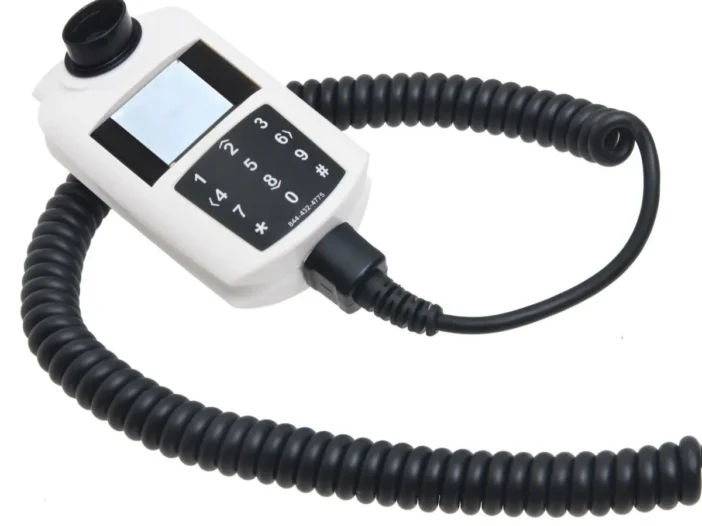
Ease of use comes down to the breath sample method and the support behind the device. Low Cost Interlock’s Co-Pilot uses Straight Blow sampling, a simple breath pattern, plus a numeric keypad that recalls your appointment dates. Whichever provider you choose, ask for a demonstration at installation so the test pattern feels routine from day one.
How much does an ignition interlock device cost in California?
California costs depend on your offense history, county, and required program length, so there is no single statewide price. The California DMV’s ignition interlock page explains the state’s current program requirements, including any cost assistance you may qualify for. Get quotes from providers certified in California and compare total program cost.
How much does interlock removal cost?
Removal pricing varies by provider: some charge a modest one-time fee and others include removal in the program cost. You’ll need your monitoring authority’s authorization before the device comes off, so confirm both the paperwork and the fee with your provider as you near the end of your program.
Are there hidden fees with interlock devices?
They exist with some providers, which is why advertised rates can mislead. Common examples include lockout reset fees, missed appointment charges, separate reporting fees, transfer fees, and early termination penalties. Request an all-inclusive written quote listing every possible charge. A provider with transparent, no-hidden-fee pricing will put the full number in writing.
Does a cheaper interlock device work the same as an expensive one?
For compliance purposes, yes. If both devices are certified by your state, both meet the same accuracy and reliability standards, and both satisfy your legal requirement. Higher prices usually reflect added features such as GPS or real-time reporting, which matter only if your state requires them. Paying more for features you don’t need doesn’t buy you better compliance.
You don’t have to over-pay for an interlock device. Get a 60-second quote from Low Cost Interlock, then schedule your installation online. If you’d rather talk the numbers through with a person first, call (844) 387-0326.
Disclaimer: This article is provided by Low Cost Interlock for general informational purposes only and is not legal, financial, or medical advice. DUI and ignition interlock laws, penalties, fees, and program requirements vary by state, county, and individual circumstances, and they change over time. Any costs, timelines, or figures mentioned are general estimates, not quotes or guarantees. Nothing here should be relied on as a statement of the law in your jurisdiction. Always confirm current requirements with your state DMV, the court handling your case, a licensed attorney, or Low Cost Interlock directly before making decisions. Product features, pricing, availability, and promotions referenced are subject to change and may not be available in every state Low Cost Interlock serves.