

DUI Court Date: How to Prepare and What to Bring
The night before a DUI court date is a special kind of sleepless. You are picturing the room, rehearsing answers to questions nobody has asked yet, and wondering whether the wrong shirt can make things worse. Some of that worry is useful. Most of it gets a lot smaller once you know what to expect.
This guide covers the practical side of showing up well: what the different court appearances are for, what to wear and bring, how to behave in the room, and the mistakes that actually hurt people. Court procedures differ by state and county, and this is general information rather than legal advice, so let your attorney’s instructions override anything here.
A DUI Case Usually Means More Than One Court Date
People say “my court date” as if there is one, but a DUI case commonly involves several appearances, and each has its own job:
Appearance | What generally happens |
Arraignment | Charges are read, you enter a plea, and conditions of release are set |
Pre-trial conference | Your attorney and the prosecutor exchange information and discuss resolution |
Motions or hearings | The court decides disputes, such as challenges to evidence |
Trial | Held only in the minority of cases that do not resolve earlier |
Sentencing | If convicted or after a plea, the court imposes the sentence |
Not every case includes every step, and names vary by state. What matters is that the preparation habits below apply to all of them, because judges see you at every one. If you want the bigger picture of the whole process, start with our overview of what happens when you get a DUI.
What to Wear
Dress like the day matters, because it does. You do not need a new suit. Business casual, clean and pressed, is the standard: collared shirt or blouse, slacks or a conservative dress, closed shoes. Skip the shorts, tank tops, hats, sunglasses, and anything with a slogan. If your wardrobe is limited, the cleanest, plainest thing you own is the right answer. Judges notice effort, and more importantly, they notice its absence.
What to Bring

Build this pile the night before, not in the parking lot:
- A government-issued photo ID
- Every piece of paperwork from your case: citation, release papers, bail documents, prior court notices
- Your attorney’s name and phone number
- Proof of anything you have already completed, such as enrollment in a DUI education program, treatment attendance, community service hours, or, if a court or DMV has already ordered an interlock, your installation records
- A notepad and pen
- Cash or a card for parking, and small enough bills for vending machines if the wait runs long
That fourth bullet deserves emphasis. Nothing speaks for you like documentation. If you have started a class or begun treatment, bring the paper that proves it, and let your attorney decide what to show the court.
Leave at home: anything sharp, anything embarrassing to explain at the metal detector, and strong opinions you plan to voice.
Courtroom Etiquette That Actually Matters

Who will be in the room? Typically the judge, a clerk, a bailiff, the prosecutor, defense attorneys handling their own cases, and rows of other people waiting on theirs. Your case may be one of dozens on the calendar, which means patience is part of the assignment.
The basics that keep you on the right side of the room:
- Arrive early. Plan for parking, security lines, and finding the right room. Early means thirty minutes, not five.
- Phone off. Not on vibrate. Off.
- Stand when the judge enters and when you address the court.
- Address the judge as “Your Honor,” and keep answers short and honest.
- Let your attorney do the talking. That is the whole point of having one.
- Keep your face neutral while others speak, especially the prosecutor. Eye-rolls are testimony.
If you do not have an attorney yet, that is worth solving before your next appearance. Our guide on how to find a DUI lawyer and why you need one covers the options, including requesting a public defender if hiring counsel is out of reach. Many state court systems also run self-help centers that explain local procedure, like the California courts’ self-help portal, and your own state likely has an equivalent.
The Mistakes That Hurt People

Most courtroom damage is self-inflicted and avoidable:
- Missing the date entirely. This can lead to a warrant and new problems bigger than the original ones. If a true emergency makes attendance impossible, contact your attorney and the court immediately; procedures for rescheduling vary by court, but silence is never the right approach.
- Arriving late. It reads as disrespect, even when it is traffic.
- Talking about your case in hallways, elevators, or on social media. Assume everyone can hear you and some of them work for the prosecutor.
- Interrupting the judge or arguing with the prosecutor. Even when something said sounds wrong, write it down and hand the note to your attorney.
- Guessing under questioning. “I do not remember” is an honest and acceptable answer; an invented detail is not.
- Showing up with nothing. No documents, no proof of progress, no preparation. It suggests the court’s time matters more to the judge than it does to you.
Turning Preparation Into an Advantage
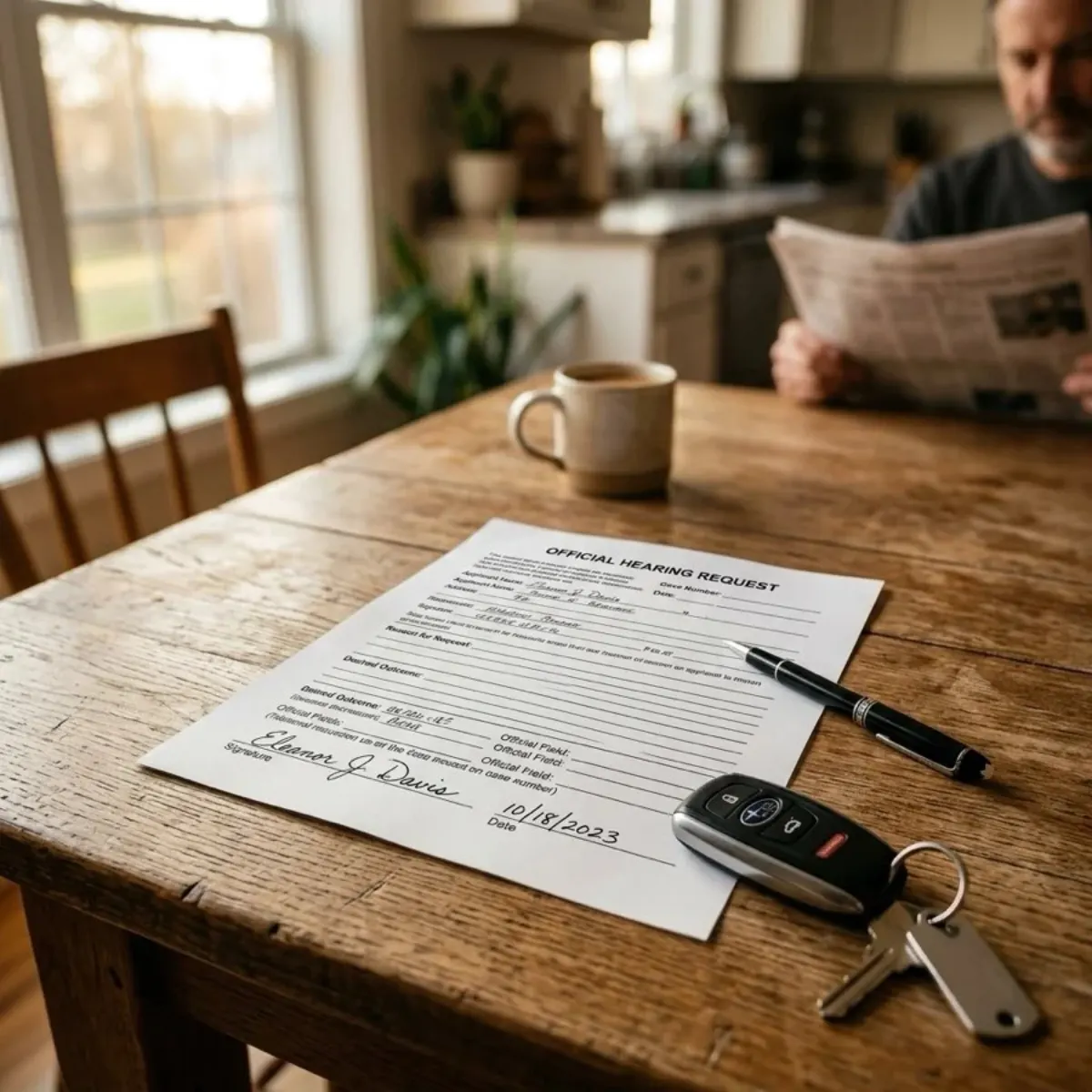
Preparation does more than avoid mistakes; it quietly makes your case. Showing up early, dressed appropriately, documents in hand, with proof of any class you have already enrolled in, can show the court you’ve prepared, without your attorney saying a word.
An ignition interlock works differently. It’s installed when and as the court or your state’s licensing agency orders it, and a device installed before that order exists doesn’t count toward the requirement. If you’re unsure whether an interlock is relevant to your case, ask your attorney.
Frequently Asked Questions
What should I wear to a DUI court date?
Business casual is the safe standard: a collared shirt or blouse, slacks or a conservative dress, and closed shoes. Clean and neat matters more than expensive. Avoid shorts, hats, sunglasses, and clothing with slogans or logos.
What should I bring to my DUI court date?
Bring photo ID, all case paperwork, your attorney’s contact information, proof of any programs you have started or completed, and a notepad. If a court or DMV has already ordered an interlock, bring your installation records too.
How early should I arrive for a DUI court date?
Aim for about thirty minutes early. You will need time for parking, the security line, and finding the correct courtroom, and being seated before your case is called is part of making a good impression.
What happens at a DUI arraignment?
At arraignment, the court formally reads the charges, you enter a plea, and conditions of release are addressed. It is usually brief. In many courts your attorney handles most of the speaking, and some jurisdictions allow counsel to appear on your behalf.
What happens if I miss my DUI court date?
Missing a court date can result in a bench warrant and additional charges, and it damages your credibility with the court. If an emergency prevents attendance, contact your attorney and the court immediately to ask about rescheduling procedures.
Can I reschedule a DUI court date?
Courts can grant continuances in some circumstances, but the rules and likelihood vary by court and by how much notice you give. Requests go through your attorney or the court clerk, and sooner is always better than later.
Do I need a lawyer for my DUI court date?
You are not required to have one, but representation makes a meaningful difference in how smoothly the process goes. If you cannot afford private counsel, ask the court about qualifying for a public defender before your next appearance.
Will I be sentenced at my first court date?
Usually not. A first appearance is typically an arraignment, where you enter a plea. Sentencing happens later, after a plea agreement or a conviction, though timelines vary by court and case.
Should I speak directly to the judge?
Only when the judge addresses you, and briefly and respectfully when you do. Let your attorney handle everything else. If something said in court seems wrong, write a note and pass it to your attorney instead of speaking up.
How long does a DUI court appearance take?
The hearing itself is often short, sometimes minutes, but plan for the wait. Court calendars stack many cases into one session, so blocking out the morning or afternoon is realistic.
Walk In Ready
You cannot control the calendar, the prosecutor, or the outcome. You can completely control how prepared you look and are. Dress the part, bring the paper, arrive early, and let your attorney work.
And if a court or DMV does require an interlock, make it the easiest item on your list. Low Cost Interlock offers state-approved devices with transparent pricing, no hidden fees and a Price Match Guarantee, and can schedule your installation once the order is in place. Get a 60-second quote at lowcostinterlock.com or call (844) 387-0326.
Disclaimer: This article is provided by Low Cost Interlock for general informational purposes only and is not legal, financial, or medical advice. DUI and ignition interlock laws, penalties, fees, and program requirements vary by state, county, and individual circumstances, and they change over time. Any costs, timelines, or figures mentioned are general estimates, not quotes or guarantees. Nothing here should be relied on as a statement of the law in your jurisdiction. Always confirm current requirements with your state DMV, the court handling your case, a licensed attorney, or Low Cost Interlock directly before making decisions. Product features, pricing, availability, and promotions referenced are subject to change and may not be available in every state Low Cost Interlock serves.