

OWI Meaning: What an OWI Charge Is and What Happens Next
An OWI (Operating While Intoxicated) charge can lead to fines, license suspension, and even jail time, but what does it actually mean, and what happens next?
The short answer: the OWI meaning is operating while intoxicated, or in some states, operating while impaired. It is the term several states use for the offense most people call a DUI: operating a vehicle while alcohol, drugs, or a combination of both affect your ability to drive safely. The word “operating” matters, because it can cover more than actually driving down the road.
This guide explains what OWI means, which states use the term, what happens after an arrest, whether the charge is a misdemeanor or a felony, what it tends to cost, and the practical steps that help you move forward.
What Does OWI Stand For?
OWI meaning varies slightly depending on your state, but it typically stands for “Operating While Intoxicated” or “Operating While Impaired.” Unlike a simple traffic violation, OWI represents a criminal charge that prosecutors take seriously, regardless of whether you “felt fine” or believed you were capable of driving safely. The legal system doesn’t rely on your personal assessment of your abilities. It relies on measurable evidence like blood alcohol content and field sobriety test results.
If a police report, court notice, or news story lists OWI, it is describing the same core offense as DUI or DWI: impaired operation of a vehicle. The acronym changes with the state; the behavior being charged does not.
Why “Operating” Is Broader Than “Driving”
The key word here is “operating,” which extends beyond simply driving down the road. In many jurisdictions, you can face OWI charges for being in physical control of a vehicle while intoxicated, even if the car isn’t moving. This means sitting in your parked car with the keys in your possession could potentially result in charges, depending on the specific circumstances and local laws.
That broader wording is deliberate. States that use “operating” want the law to reach situations where someone is in a position to put the car in motion, not only cases where an officer watched the car move. How far that reach extends varies by state, which is one more reason the same set of facts can play out differently across state lines.
What Is a “Per Se” OWI?
A per se OWI means the charge rests on your blood alcohol concentration alone. If a chemical test shows your BAC at or above your state’s legal limit, that reading by itself can support the charge, even without other evidence that your driving was affected. Most states set that limit at 0.08 percent, Utah uses 0.05, and commercial drivers and drivers under 21 are held to stricter standards. The Governors Highway Safety Association keeps a state-by-state summary of alcohol-impaired driving laws if you want to see how your state handles it.
Which States Use the Term OWI?
A handful of Midwestern states use OWI as their official term for impaired driving. Wisconsin, Iowa, Michigan, and Indiana are the ones you will see most often, and a few other states use close cousins like OUI, operating under the influence.
Here is how the term shows up in the states that use it most:
- Wisconsin uses OWI as its standard term for impaired driving; the Wisconsin DOT explains the state’s OWI rules on its official site.
- Iowa charges impaired driving as OWI, covering alcohol, drugs, or any combination; the Iowa DOT’s OWI page outlines what happens to your license after an arrest.
- Michigan uses OWI for its main impaired-driving offense, along with a lesser charge for visible impairment; the State of Michigan’s impaired driving resources cover both.
- Indiana likewise describes the offense in its statutes as operating while intoxicated, commonly shortened to OWI or OVWI.
You may also see OUI, operating under the influence, in a few states. It works the same way in practice: the state chose “operating” over “driving” to give the law broader reach.
One caution: the acronym tells you the label, not the penalties. Two states can both use OWI and treat a first offense very differently. Always check the rules for the state where the charge was filed, not the state where you live.
How OWI Relates to DUI and DWI
OWI, DUI, and DWI are different labels for the same category of offense: impaired driving. DUI (driving under the influence) is the most widely used term, DWI (driving while intoxicated or impaired) is common in a number of states, and OWI is the statutory term in the states above. A few states use more than one label to mark different levels of severity.
Is OWI worse than DUI? Not inherently. Severity depends on the state’s penalty scheme and the facts of your case, such as your BAC, prior offenses, and whether anyone was hurt, not on which acronym appears on the citation. An OWI in one state can carry lighter consequences than a DUI in another, and vice versa. If you want a closer look at how the labels differ, our guide to the differences between DWI and DUI breaks down the terminology.
The practical takeaway: if you were charged with OWI, read everything about your case through your state’s rules. National articles about “DUI penalties” may not match what your court and DMV will actually require.
What Does an OWI Arrest Mean?
An OWI arrest means an officer believes there is probable cause that you operated a vehicle while intoxicated or impaired. It is the start of the legal process, not the end of it. An arrest is not a conviction, and in most states you will have chances to respond on both the criminal and license side of the case.
An OWI case typically begins with the traffic stop, where an officer observes signs of impairment such as erratic driving, the smell of alcohol, or slurred speech.
If the officer suspects intoxication, they’ll likely request field sobriety tests and may ask you to submit to a breathalyzer test. Your performance on these tests, combined with the officer’s observations, forms the foundation of the prosecution’s case against you.

After arrest, you’ll face both criminal charges in court and administrative penalties through your state’s Department of Motor Vehicles. These are separate proceedings with different timelines and requirements. The criminal case focuses on potential jail time, fines, and probation, while the administrative case deals specifically with your driving privileges and often moves much faster than the criminal proceedings.
That second track catches people off guard. In many states, the deadline to request an administrative hearing about your license arrives within days of the arrest, long before your first court date. Missing it can mean an automatic suspension even if your criminal case is still open.
The entire process from arrest to final resolution can take months or even years, during which time you may face temporary license suspension, mandatory court appearances, and mounting legal expenses.
Is an OWI a Felony or a Misdemeanor?
In most states, a first OWI with no aggravating factors is charged as a misdemeanor. A few states treat a first offense as a non-criminal violation, and at the other end, certain circumstances can make an OWI a felony from day one.
The factors that most often push an OWI toward felony territory include:
- Repeat offenses within your state’s look-back window
- A crash that injured or killed someone
- A child passenger in the vehicle at the time of the stop
- A very high BAC reading
- Driving on a license already suspended for impaired driving
How many prior offenses it takes to reach a felony varies by state, and so does the look-back period used to count them. If the felony question matters to your case, it is worth confirming with a local attorney rather than a national article, because the answer genuinely changes at the state line.
What Penalties Come With an OWI?
Most OWI convictions bring some combination of license suspension, fines and fees, alcohol education or treatment, probation, and, in some cases, jail time. The exact mix depends on your state, your BAC, and your record.
Common consequences include:
- License suspension or revocation. Length varies by state and offense number, and refusing a chemical test often triggers its own separate suspension under implied-consent laws.
- Ignition interlock requirement. Many states require an interlock before you can drive again, either immediately or as a condition of a restricted license.
- Fines and court costs. Amounts vary widely; courts may also add surcharges and program fees on top of the base fine.
- Alcohol education or treatment. Many courts order an assessment plus classes or treatment, especially for a first offense.
- Probation and community service. Court-supervised probation with check-ins is common, and some sentences include community service hours.
- Possible jail time. More likely with repeat offenses, high BAC readings, or a crash.
Because every one of those items is set by state law and local practice, resist the urge to assume a number you read online applies to you. Your court paperwork and your state DMV are the two sources that actually govern your case. For research on how these laws work and how effective they are, the Insurance Institute for Highway Safety’s alcohol and drugs page is a solid starting point.
What Does an OWI Cost?
The honest answer: it varies a lot, and the fine is usually the smallest part. The full cost of an OWI tends to stack up across several categories over a year or more.
Expect costs in most or all of these buckets:
- Court fines, surcharges, and program fees
- Attorney fees, if you hire one
- License reinstatement fees
- Alcohol assessment and class costs
- Ignition interlock installation and monthly service
- Higher insurance premiums, often for several years
Each category is set by a different party (the court, the state, your insurer, your provider), which is why totals differ so much from case to case. On the interlock piece specifically, you have more control than you might think: providers price differently for the same state requirement. Our breakdown of how much interlock devices cost explains what goes into the monthly fee, and LCI’s ignition interlock pricing page shows how to get a quote for your state with no hidden fees.
When Is an Ignition Interlock Required After an OWI?
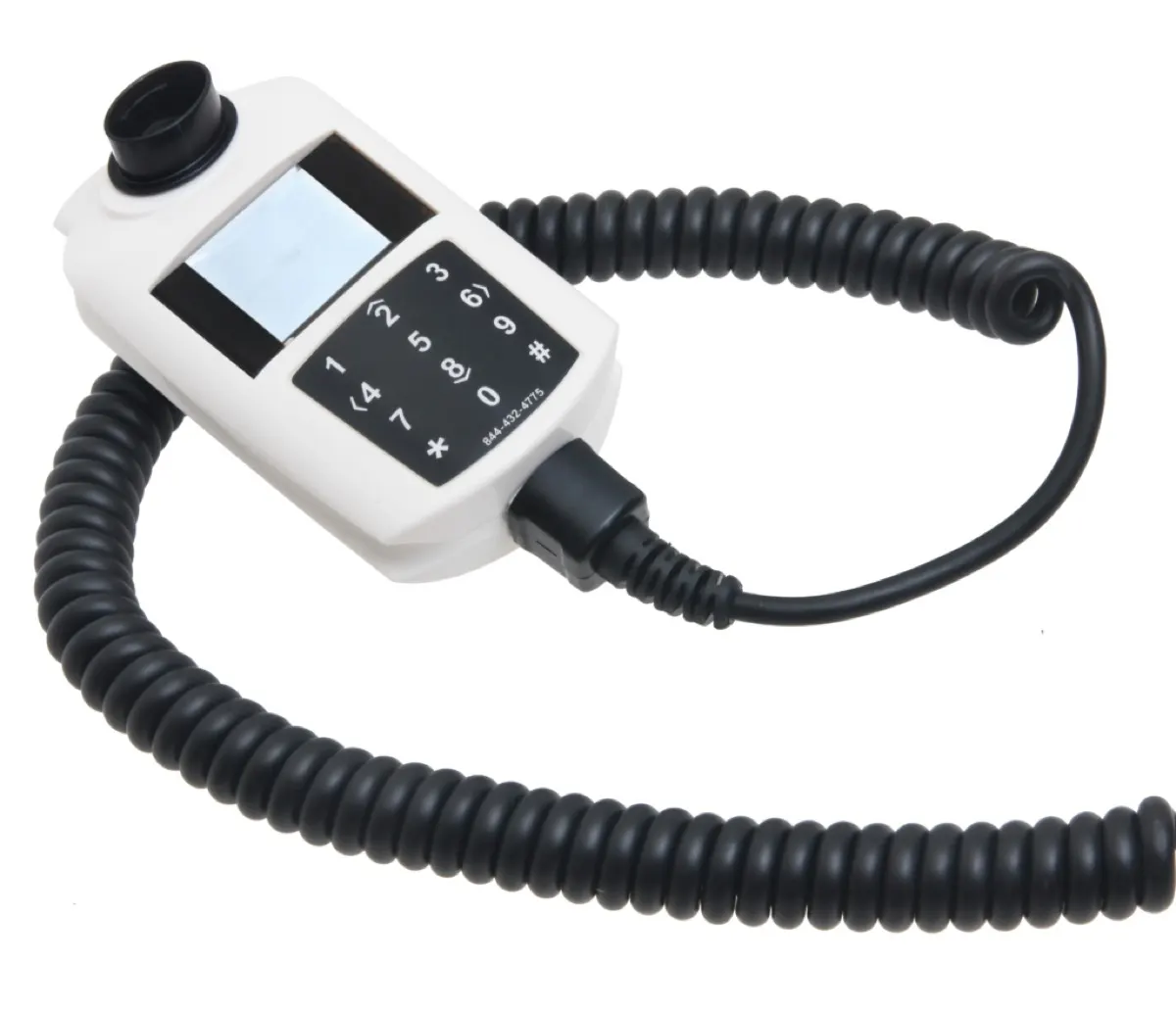
Many states require an ignition interlock device after an OWI conviction, either for all offenders or based on factors like BAC level and prior offenses. The device is a small breath tester wired to your ignition: pass the test and the car starts, and periodic retests while driving keep the requirement honest.
Whether you need one, and for how long, depends on your state and your case. Some states mandate an interlock even for a first offense; others reserve it for high-BAC or repeat cases, or offer it as the path to a restricted license so you can keep driving to work during a suspension. A small number of drivers qualify for an ignition interlock exemption in limited situations, though most people ordered to install one will need to follow through.
If an interlock is on the table in your case, two practical tips: confirm the exact requirement in writing from the court or DMV before you schedule anything, and compare provider pricing before you commit, since you will typically pay monthly for the length of the requirement.
The Long-Term Side: Jobs, Insurance, and Travel
The court case ends; the record it leaves behind can follow you longer. These are the long-term effects worth planning for.
Employment and background checks. Many employers conduct background checks that reveal OWI convictions, potentially disqualifying you from positions requiring driving, professional licensing, or positions of trust. Licensed professionals, from nurses to commercial drivers, may also have reporting obligations to their licensing boards, so it pays to check your board’s rules early.
Insurance. Insurers typically raise premiums significantly after an impaired-driving conviction, and the higher rates can stick around for several years. Some states also require proof of financial responsibility (often called an SR-22 or similar filing) before reinstating your license, which adds its own cost.
Travel. Some countries screen visitors for criminal history. Canada, for example, can treat an impaired-driving conviction as grounds for inadmissibility; the Government of Canada’s inadmissibility page explains the rules and the available workarounds.
Your record. How long an OWI stays on your criminal and driving records, and whether it can be expunged, varies by state. In some states it is effectively permanent; in others, expungement or record sealing becomes available after a waiting period. An attorney in the charging state can tell you which camp you are in.
What to Do After an OWI Charge
While facing an OWI charge feels overwhelming, you have options to protect your future and minimize the long-term impact on your life. The decisions you make in the first days after the arrest matter more than any other stretch of the case.

- Talk to a local attorney quickly. Deadlines for challenging your license suspension and preserving evidence come fast, and an attorney who works in the charging county will know the local practice.
- Document everything. Keep detailed records of the arrest circumstances, any medical conditions or medications that might affect field sobriety tests, and witness contact information.
- Request your administrative hearing. Challenge your license suspension through your state’s administrative process, which typically has very short deadlines.
- Explore alternative sentencing. Investigate options like diversion programs, treatment courts, or plea agreements that might reduce long-term consequences.
- Begin proactive steps. Voluntarily enroll in alcohol education or treatment programs to demonstrate responsibility and potentially influence sentencing.
- Plan for driving. Ask whether your state offers a restricted or hardship license during suspension. Our guide to getting a hardship license after a DUI explains how these programs generally work and who tends to qualify.
None of these steps undo the charge, but together they protect your license, your record, and your options while the case plays out.
Frequently Asked Questions About OWI
What does OWI stand for?
OWI stands for operating while intoxicated, or in some states, operating while impaired. It is the official term a handful of states, including Wisconsin, Iowa, Michigan, and Indiana, use for impaired driving. It covers the same core offense that other states call DUI or DWI: operating a vehicle while alcohol or drugs affect your ability to drive.
What is an OWI charge?
An OWI charge is a formal accusation that you operated a vehicle while intoxicated or impaired. It usually follows an arrest and triggers two separate tracks: a criminal case in court and an administrative action against your license through the DMV. A charge is not a conviction; you have the right to respond in both proceedings, and outcomes range from dismissal to conviction with penalties.
What does an OWI arrest mean?
An OWI arrest means an officer found probable cause to believe you were operating a vehicle while impaired, usually based on driving behavior, field sobriety tests, or a breath test. It starts the legal process. Expect a court date and, in many states, a short deadline to request a hearing about your license. An arrest alone does not decide the outcome of your case.
Is an OWI the same as a DUI?
Functionally, yes. OWI and DUI describe the same category of offense, impaired driving, using different words. The main technical difference is that “operating” can reach situations beyond active driving, such as being in physical control of a parked car. Which term applies to you simply depends on the state where you were charged.
Is OWI worse than DUI?
No acronym is automatically worse than another. Severity depends on the state’s penalty structure and the facts of the case: your BAC, prior offenses, whether there was a crash, and whether a child was in the vehicle. An OWI in one state can be more or less serious than a DUI in another, so compare penalties by state, not by label.
Is an OWI a felony?
Usually not for a first offense. Most states charge a first OWI as a misdemeanor, and a few treat it as a non-criminal violation. It can become a felony with repeat offenses, a crash involving injury, a child passenger, or other aggravating factors, and the thresholds vary by state. Confirm with your state’s statutes or a local attorney.
What does OWI mean in a police report?
When police use OWI, they are citing the state’s impaired-driving offense: operating while intoxicated or impaired. Officers and dispatchers in OWI states use the acronym as shorthand on reports, citations, and scanners. It does not signal a special or separate crime; it is simply how that state’s law names the offense most people know as DUI.
Do you need an ignition interlock device after an OWI?
In many states, yes, at least for some period. Some states require an interlock after any conviction; others tie it to BAC level, repeat offenses, or a restricted license during suspension. The court order or your state DMV will spell out whether you need one and for how long. If you do, comparing providers on price can meaningfully lower the total cost.
How long does an OWI stay on your record?
It depends on the state. An OWI conviction can stay on your criminal record indefinitely unless your state allows expungement or sealing after a waiting period. Driving-record rules run separately, with many states counting the offense for a set number of years for licensing and insurance purposes. Check both records in the state where you were convicted.
Can you still drive after an OWI charge?
Often, but usually with conditions. Depending on the state and the stage of your case, you may keep driving until a suspension takes effect, qualify for a restricted or hardship license, or need an ignition interlock installed first. Deadlines to request a hearing or apply for restricted driving come quickly, so act on the license question early.
Moving Forward After an OWI
Understanding what OWI means is step one. Step two is working the process: meet your deadlines, learn your state’s actual requirements, and line up whatever the court orders, including an ignition interlock if one is required.
If you need an interlock, Low Cost Interlock installs 100% state-approved devices with transparent pricing, a price match guarantee, and 24-hour customer support. Get a quote in 60 seconds, schedule your installation at a location near you, or call (844) 387-0326 to talk through your state’s requirements.
Disclaimer: This article is provided by Low Cost Interlock for general informational purposes only and is not legal, financial, or medical advice. DUI and ignition interlock laws, penalties, fees, and program requirements vary by state, county, and individual circumstances, and they change over time. Any costs, timelines, or figures mentioned are general estimates, not quotes or guarantees. Nothing here should be relied on as a statement of the law in your jurisdiction. Always confirm current requirements with your state DMV, the court handling your case, a licensed attorney, or Low Cost Interlock directly before making decisions. Product features, pricing, availability, and promotions referenced are subject to change and may not be available in every state Low Cost Interlock serves.