

What Is an EtG Test? How Urine Alcohol Testing Works After a DUI
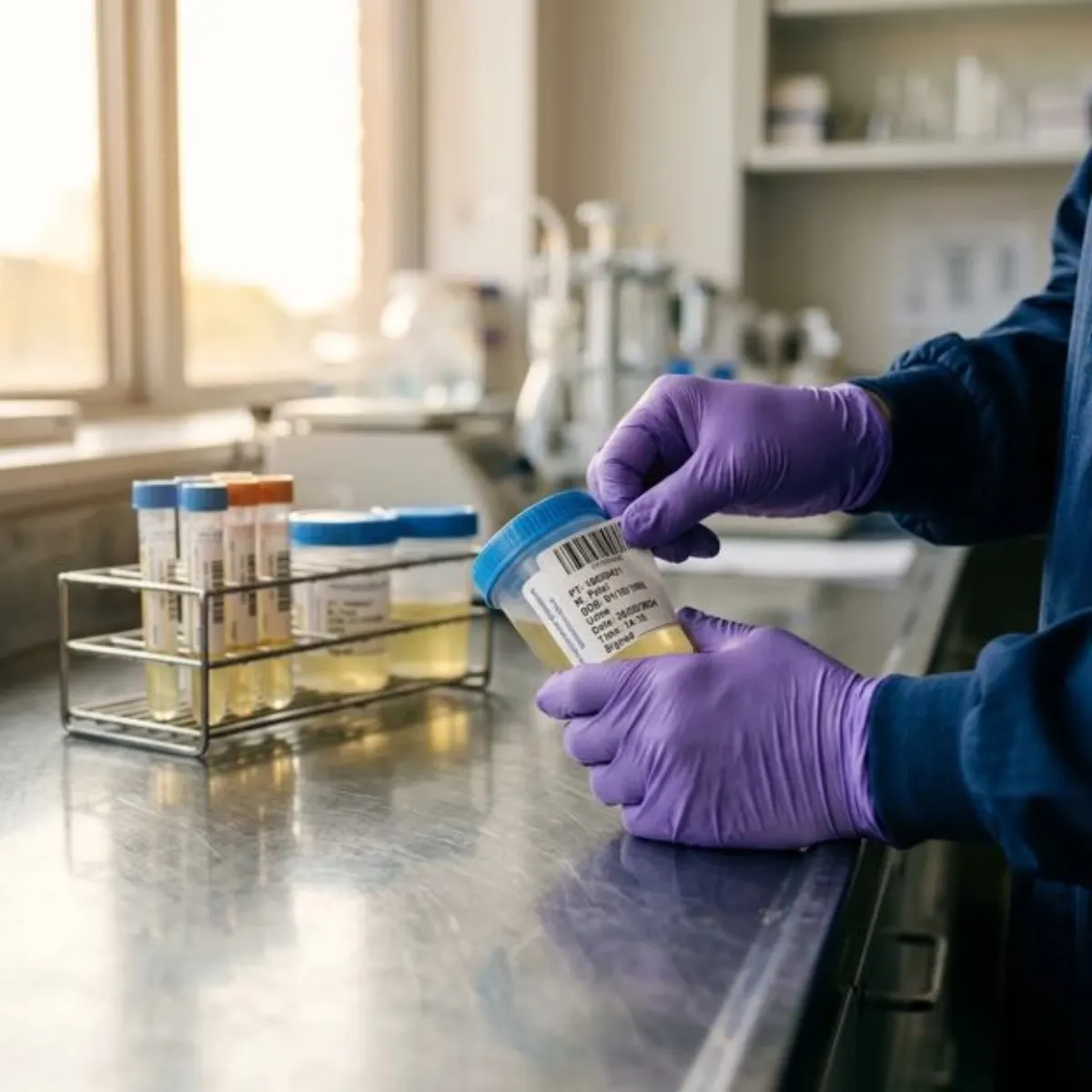
An EtG test checks a urine sample (or sometimes a hair sample) for ethyl glucuronide, a byproduct your body makes when it processes alcohol. It shows that alcohol was consumed in the recent past, often days rather than hours, but it can’t show how impaired someone was. Courts and probation programs use it to check abstinence.
If your probation officer or court program has added EtG testing to your list, you probably have two worries. The first is how far back the test reaches. The second is whether something ordinary, like the mouthwash in your bathroom or the hand sanitizer at work, could show up on your record as drinking.
Both are fair questions. The first has a range with published numbers behind it. The second depends mostly on a setting your lab chooses, and you can ask about that setting directly.
What Is EtG and How Does the Body Make It?
EtG is a small byproduct of alcohol that stays in the body after the alcohol itself is gone. That delay is the whole reason the test exists.
Most of the alcohol you drink is broken down in the liver. In the main alcohol metabolism pathway, an enzyme called alcohol dehydrogenase turns alcohol into acetaldehyde, another enzyme turns that into acetate, and acetate is broken down into water and carbon dioxide. That main route clears alcohol from your system within hours.
A small share of the alcohol takes a different route and becomes ethyl glucuronide. Your body clears it more slowly, and it passes into your urine, where a lab can measure it after a breath test would read zero.
A few things follow from how the test works:
- A positive result points to alcohol exposure sometime in the recent past. It can’t pinpoint the hour.
- The result is a concentration in nanograms per milliliter (ng/mL), compared against a cutoff the lab sets.
- The test measures exposure, so it can’t show whether you were impaired, how you drove, or what you drank.
How Far Back Can an EtG Test Look?
In published research, urine EtG tests picked up most reported drinking for up to five days. The detection window for recent alcohol use depends on how much was consumed, how long ago, and the lab’s cutoff, and no one can turn that into a guaranteed number of hours for you.
What the Research Measured in Urine
A 2015 study followed 121 adults in outpatient alcohol treatment who gave urine samples three times a week for 16 weeks, 2,761 samples in all. Each time, participants also reported when they last drank and how much. The researchers then checked how often the test caught that drinking at three cutoffs. The study defined light drinking as up to three standard drinks for women and up to four for men, and heavy drinking as anything above that. Here’s what the outpatient study on EtG cutoffs found:
What was measured | 100 ng/mL cutoff | 200 ng/mL cutoff | 500 ng/mL cutoff |
Heavy drinking caught one day later | 84% | 81% | 78% |
Heavy drinking caught two to five days later | 79% by day five | Declined after day one | Under 71% |
Light drinking caught one day later | 85% | 77% | 68% |
Light drinking caught two to five days later | 66% by day five | Declined after day one | Under 58% |
Positive samples when no drinking was reported in the past five days | 16% | 6% | 3% |
Heavier drinking stayed detectable more often than lighter drinking, and the lowest cutoff caught the most drinking at every point the study measured. The authors noted that the positives among people who reported no drinking could reflect drinking earlier than five days or inaccurate self-reports, so that last row isn’t a count of mistaken results.
These numbers describe a group of people in treatment. Your own result depends on how much you drank, how long ago, and the cutoff your lab uses, and a group rate can’t predict it. The study also stopped at five days, so it doesn’t answer what happens after that.
Hair and Other Samples
Some programs test hair instead of urine, or alongside it. Hair testing is a different method with its own time frame, and the studies behind this article measured urine only. If your program collects hair or another kind of sample, ask it what period that test covers and what cutoff the lab applies.
EtG Test Cutoff Levels: Why Labs Use Different Ones
A cutoff is the concentration a lab uses to call a sample positive. Your program or its lab sets it. You don’t.
A low cutoff, such as 100 ng/mL, catches more drinking over more days, as the table above shows. The cost is a higher rate of positive results in samples from people who reported no drinking. A higher cutoff, such as 500 ng/mL, flags fewer of those samples and also misses more drinking after the first day. The outpatient study’s authors recommended 100 ng/mL where the goal is catching heavy drinking over several days, and 200 ng/mL or higher where keeping unexplained positives low comes first. The same paper noted that many commercial labs in the U.S. use 500 ng/mL because of concern about alcohol from non-beverage sources, such as hand sanitizer.
That’s the trade-off in plain terms. A lower number is more sensitive to drinking and more sensitive to incidental exposure too. A mouthwash study, covered below, shows what that exposure looked like at both cutoffs.
Two people in different programs can have different cutoffs, different testing schedules and different rules for what happens next. A friend’s experience in another county won’t carry over to yours, so ask your own program which cutoff it uses.
Why Do Courts and Probation Programs Use EtG Tests After a DUI?
Courts and probation programs use an EtG alcohol test to check abstinence between check-ins. A breath test only shows alcohol that’s in your breath at that moment, and how long a breathalyzer can detect alcohol is measured in hours. EtG reaches back days, so a sample collected on a Tuesday can reflect drinking over the weekend.
A court can pair EtG testing with a breath-based device, because the two cover different stretches of time. Whether your program uses one, the other or both is set by your court or supervising agency, and requirements vary by state, county and case. Your DUI probation terms are the place to confirm what applies to you.
Questions to Ask Your Officer or Program
Knowing your program’s rules can take some of the guesswork out of testing, and you’re allowed to ask about them. A short list to bring to your next check-in:
- Which cutoff does the lab use for my samples?
- How often will I be tested, and are tests random or scheduled?
- What’s the process if I believe a result is wrong, and is there a deadline to raise it?
- Can I get a copy of the lab report for any positive test results?
- Does the program keep a list of products to avoid?
- Does the program test urine only, or hair as well?
Write the answers down with the date and the name of the person who gave them. If a question comes up later, you’ll have a record of what you were told.

Mouthwash, Hand Sanitizer and Other Everyday Products on an EtG Test
In the one study here that tested mouthwash directly, heavy use of a high-alcohol mouthwash produced a single detectable EtG result, and it came in below the 500 ng/mL cutoff. It’s one small study, so read it as a data point for your conversation with your program.
In the mouthwash study on urine EtG, 10 people gargled with a high-alcohol mouthwash four times a day for three and a quarter days. None had detectable EtG before the study started. Across all the urine samples collected during and after, only one showed EtG, at 173 ng/mL. That figure is above a 100 ng/mL cutoff and well under 500. The authors concluded that a 500 ng/mL cutoff is enough to tell drinking apart from that level of mouthwash use.
Hand sanitizer comes up in the same conversation, and it’s part of why many labs chose the higher cutoff, as the cutoff section above describes. Neither study linked here measured what hand sanitizer does to an EtG result.
What you can do:
- Ask your program for its list of products to avoid, if it keeps one.
- Keep a simple log of the products you use every day that contain alcohol, such as mouthwash, hand sanitizer or cold medicine, with dates.
- If you use an alcohol-based product for work, tell your officer in writing and ask what documentation the program wants.
- If a result ever comes back positive and you believe it’s a false reading, bring the log and the lab report to your officer.
Alcohol-based mouthwash also raises a question for breath-based devices, where mouthwash and interlock breath tests work on a much shorter timescale than EtG.

EtG Tests vs. Breath Tests and Ignition Interlocks
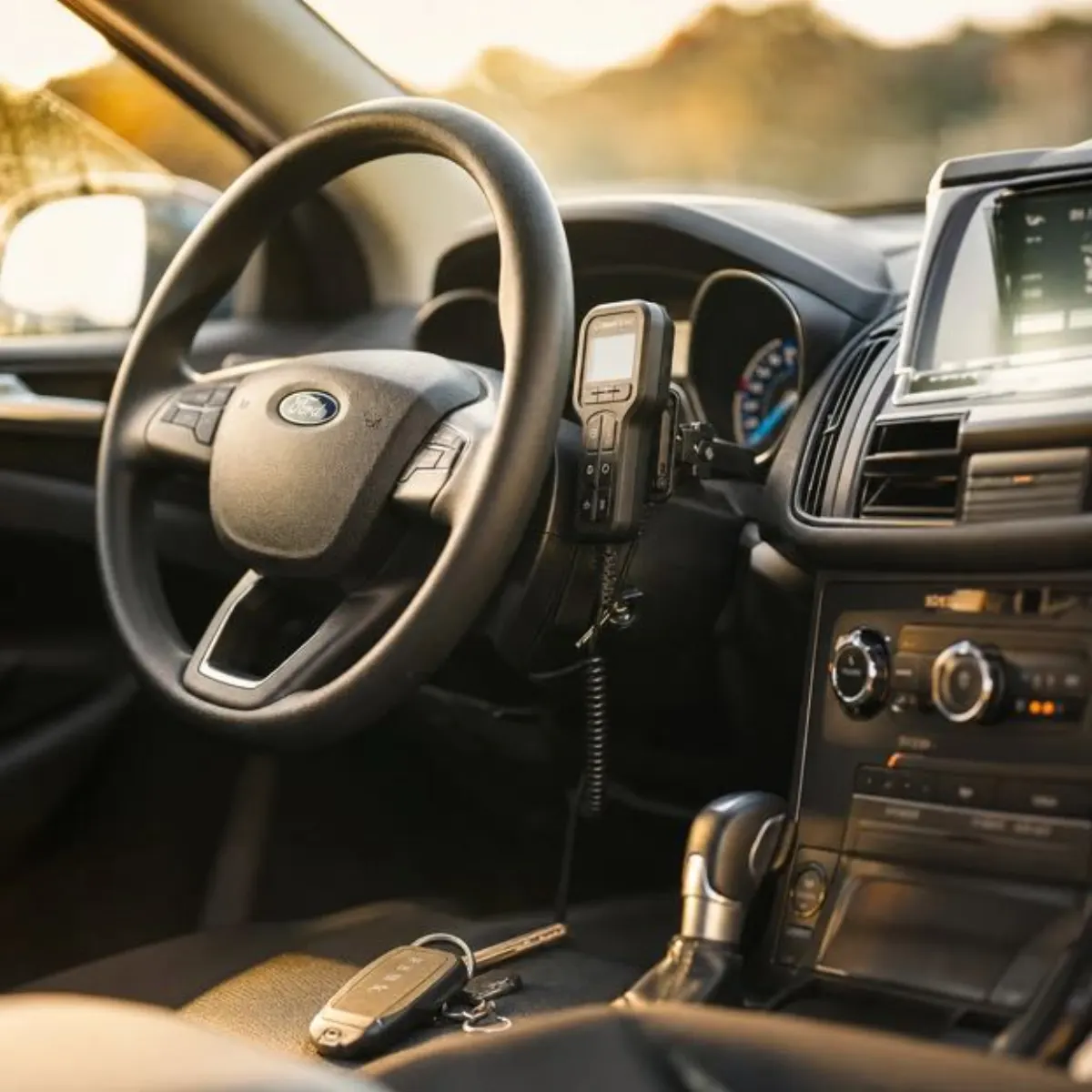
A breath test or an ignition interlock measures alcohol in your breath at the moment you blow. An EtG test looks back over the past few days.
Ignition interlock or breath test | EtG urine test | |
What it measures | Alcohol in your breath right now | A byproduct of alcohol in your urine |
Time it covers | The moment of the test | Roughly the past several days, depending on the amount and the cutoff |
When you learn the result | Right away | After the lab processes the sample |
Can it show when drinking happened | Yes, each test is logged with a date and time | No, only that exposure happened recently |
Breath and blood readings are related but measured differently, and the difference between breath and blood alcohol explains how a breath number is taken. An interlock logs each test with its time, along with engine starts and stops and any tampering, and that record goes to the authority monitoring your case. Whether and how your interlock reports to your probation officer depends on your state and your program.
Some cases also use other tools, such as portable breath devices or a monitoring bracelet. The guide to court-ordered alcohol monitoring devices covers those. If you’re unsure which of these your case requires, ask the court or your officer. If something seems wrong with your interlock itself, call your provider’s support line before doing anything else.
Frequently Asked Questions
How long does EtG detect in urine?
Research that tracked urine EtG for up to five days found it still flagged most reported heavy drinking on day five at a 100 ng/mL cutoff, with lower rates for light drinking and at higher cutoffs. Nothing in that research covers longer than five days. How long it lasts for any one person depends on the amount, the time since drinking and the lab’s cutoff, so ask your program which cutoff applies to you.
Is 5 days enough to pass an EtG test?
No count of days can guarantee a result. Five days was the longest span the outpatient study measured, and at the lowest cutoff the test was still flagging most reported heavy drinking and about two thirds of light drinking by then. If your program requires abstinence, that rule sets the expectation, and any question about an upcoming test belongs with your officer.
Will I pass an EtG test after drinking 2 beers?
No one can predict that for you. Two beers fell inside the study’s light-drinking category, and the lowest cutoff flagged most light drinking the next day. Beer strength, your body, the time before the test and the lab’s cutoff all change the concentration. If your program requires abstinence, ask your officer what that covers.
How much alcohol can trigger a positive EtG test?
Neither study linked here names a safe amount. Light drinking, up to three or four standard drinks, was detected often at a 100 ng/mL cutoff, and heavy mouthwash use once produced a reading of 173 ng/mL. Whether a given amount reaches the cutoff depends on your lab’s setting, and your program can tell you what it is.
What is considered heavy drinking for an EtG test?
In the outpatient study, heavy drinking meant more than three standard drinks for women and more than four for men on the last drinking occasion. Those labels come from research. A lab report shows a concentration and compares it with the lab’s cutoff.
What can throw off an EtG test?
Researchers have looked at incidental alcohol from everyday products. Alcohol-based mouthwash has been tested directly, and concern about hand sanitizer is one reason many labs use a 500 ng/mL cutoff. Tell your program in writing about any alcohol-based products you use, keep a dated log, and ask for its list of products to avoid.
What does it mean when you test positive for ethyl glucuronide?
It means the sample’s EtG concentration was at or above the lab’s cutoff, which points to alcohol exposure in recent days. It doesn’t show when you drank, how much, or whether you were impaired. What happens next is up to your program. Ask for a copy of the lab report and the steps for raising a result you believe is a false reading.
Can I pass the EtG test on Tuesday if I drank on Saturday?
No one can promise a result. Saturday to Tuesday falls inside the five-day span the outpatient study measured, and in that study heavier drinking stayed detectable more often than lighter drinking. If your program requires abstinence, that requirement applies every day, and a concern about a specific test belongs with your officer or attorney.
Keep Your Interlock Costs Predictable While You’re Being Monitored
EtG testing is one more thing to keep track of, and an interlock requirement shouldn’t add surprise charges on top of it. Low Cost Interlock offers state-certified devices with no hidden fees, flexible billing options and a Price Match Guarantee, and the device you get depends on your state. Get an interlock quote in 60 seconds or call (844) 387-0326 to see what your program will cost.
Disclaimer: This article is provided by Low Cost Interlock for general informational purposes only and is not legal, financial, or medical advice. DUI and ignition interlock laws, penalties, fees, and program requirements vary by state, county, and individual circumstances, and they change over time. Any costs, timelines, or figures mentioned are general estimates, not quotes or guarantees. Nothing here should be relied on as a statement of the law in your jurisdiction. Always confirm current requirements with your state DMV, the court handling your case, a licensed attorney, or Low Cost Interlock directly before making decisions. Product features, pricing, availability, and promotions referenced are subject to change and may not be available in every state Low Cost Interlock serves.