
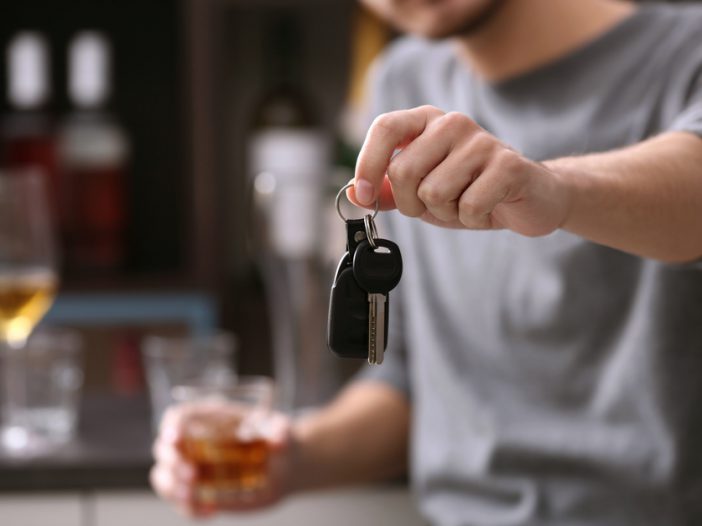
Chances are, you’ve heard the term “BAC” or “blood alcohol content.” But, what does BAC stand for, and how is it measured?
For starters, understanding BAC is important not only for legal reasons but also for your personal safety and well-being. When you know exactly how alcohol affects your body, it can help you make smarter, safer choices.
In this post, we’ll break down BAC, how it’s measured, and the factors that influence it.
What Does BAC Stand For?
BAC stands for blood alcohol content or blood alcohol concentration. It is a measurement of the percentage of alcohol in a person’s blood, specifically the amount of ethyl alcohol in a person’s bloodstream. In the U.S., BAC is used for both legal and medical purposes. BAC is often measured as grams of alcohol per 100 milliliters of blood.
Furthermore, BAC is expressed as a percentage of alcohol. For example, a BAC of 0.15% means that 0.15% of a person’s blood volume is alcohol. This percentage of alcohol in a person’s blood indicates a significant level of intoxication that takes time for the body to process.
In the U.S., a BAC level of 0.08% or higher is considered legally intoxicated. However, you can still be charged with a DUI even if your BAC is below this limit, as impairment can be determined through various tests or chemical analysis.
How is BAC Measured?
BAC tests are typically performed using various testing methods for BAC measurement:
- Breath Test (Breathalyzer) – The most common and convenient method, used by law enforcement for roadside tests. Breathalyzers measure breath alcohol concentration, which is then converted to blood alcohol concentration (BAC) for legal purposes. Breath alcohol testing provides quick and admissible results.
- Blood Test – The most accurate method, known as a blood alcohol test, involves drawing a blood sample from a vein using a small needle. The blood is collected in a test tube or vial for analysis. This procedure usually takes less than five minutes and is performed by a professional.
- Urine Test – The least accurate method, usually only used when breath and blood tests are unavailable. Other methods, such as saliva tests or estimation charts, can also be used for BAC measurement, though they are less common.
Through these tests, you can determine the most accurate assessment of intoxication.
Factors That Affect BAC
Now that we’ve answered the question, “what does BAC stand for,” let’s take a look at how BAC is affected in a person.
Several factors influence a person’s BAC, including:
- Weight & Gender – Men typically have a higher water content in their bodies, allowing them to process alcohol more efficiently. Heavier individuals also have more water in their systems, diluting alcohol’s effects.
- Metabolism – Varies by individual and is influenced by body temperature, diet, and health conditions.
- Alcohol Consumption – Different types of alcoholic beverages, such as beer, wine, liquor, and distilled spirits, contain varying amounts of alcohol. A standard drink is used to standardize intake, but consuming more than one standard drink in a short period can lead to a higher BAC. The more and faster a person drinks, the higher their BAC. Two people who drink the same amount of alcohol may have different BAC levels due to individual differences.
- Medications – Certain prescription and over-the-counter drugs can enhance alcohol’s effects.
- Food Intake – Eating before you drink alcohol can slow absorption, but it does not prevent a higher BAC if you continue to drink. Eating after drinking does not reduce BAC.
- Liver Function – The liver is responsible for metabolizing alcohol, and its efficiency can affect BAC.
- Timing of Last Drink – The timing of your last drink can impact BAC measurement, as BAC depends on when the last drink was consumed.
- Other Factors – Health conditions, genetics, and other factors can also influence BAC.
These factors explain why some individuals may experience totally different effects and BAC levels from consuming alcohol, even at the same level as others.

Common Myths About Sobering Up
Contrary to popular belief:
- Coffee does not sober you up. It may make you feel more alert, but it doesn’t lower BAC.
- Eating food after drinking won’t reduce BAC. The alcohol is already in your bloodstream.
- Time is the only way to lower BAC. The body metabolizes alcohol at a fixed rate, and nothing can speed up the process.
Blood alcohol testing is generally considered safe and minimally invasive when conducted by a professional..
The Consequences of High Alcohol Level
It is no secret that a high blood alcohol concentration (BAC) can lead to serious health, safety, and legal consequences. When the blood alcohol content in a person’s bloodstream rises above the legal limit, they are considered legally intoxicated. In most U.S. states, the legal limit is 0.08% BAC for non-commercial drivers over 21, but limits may vary based on age, vehicle type, or jurisdiction.
At this point, a person’s ability to think clearly, make decisions, and control their muscles is significantly impaired. Common symptoms of high blood alcohol levels include slurred speech, reduced muscle coordination, confusion, and dizziness. As BAC increases, these symptoms become more severe, putting both the individual and others at risk.
Dangers of Excessive Drinking
One of the most dangerous outcomes of excessive drinking alcohol is alcohol poisoning, also referred to as an alcohol overdose. This condition occurs when the alcohol concentration in the blood overwhelms the body’s ability to process it, leading to life-threatening symptoms such as vomiting, seizures, slow or irregular breathing, hypothermia, and even unconsciousness.
If you notice these symptoms in someone who has been drinking, it’s critical to seek medical help immediately, as alcohol poisoning can result in death if left untreated.
Legal Consequences of a High BAC
Exceeding the legal blood alcohol level doesn’t just affect your health, it also has serious legal consequences, especially when operating a vehicle.
A police officer may use a breathalyzer test or a blood test to determine your BAC if you are suspected of drunk driving. Failing a breath test or blood test can result in a DUI charge, which may lead to fines, license suspension, or even jail time. It may also result in fines and legal mandates, such as the use of a court-ordered portable alcohol monitoring device. Legal consequences vary by state. Consult a legal professional for specific guidance in your jurisdiction.
The legal limit is in place to protect everyone on the road, as high BAC levels are directly linked to impaired driving and a higher risk of accidents. According to the Cleveland Clinic, drunk driving remains a leading cause of death on American roads.
It’s important to remember that several factors can affect BAC, including the amount of alcohol consumed, your body weight, and whether you’ve eaten food before drinking. While eating before drinking can slow the absorption of alcohol into the bloodstream, it does not prevent a high BAC if you continue to drink. The only way to avoid the risks associated with high blood alcohol levels is to drink in moderation and never drive after drinking.
Stay Safe with Low Cost Interlock
Now that you know exactly what BAC stands for and how it is measured, you can be better prepared. To stay within the legal limit, drink in moderation and plan ahead. If you’re unsure of your BAC, use a blood alcohol content calculator and arrange alternative transportation if needed.
When in doubt, don’t drive. It’s always safer to wait or find another way home. For those who need extra assurance, devices like the ignition interlock device from Low Cost Interlock can help prevent drunk driving by requiring a breath test before starting a vehicle. Visit Low Cost Interlock to learn more about affordable ignition interlock solutions that promote safe driving.