
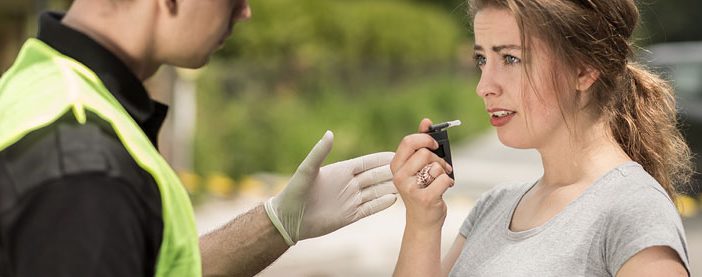
How Long Does Alcohol Stay On Your Breath? Breathalyzer Detection Guide
Have you ever wondered, “how long does alcohol stay on your breath?” The answer to this popular question revolves around many factors, including blood alcohol concentrations (BAC), body metabolism, and so much more.
For starters, when you drink an alcoholic beverage, the alcohol does not get broken down immediately, and it enters your bloodstream without any real changes to its chemical structure.
Furthermore, the digestive system plays a key role in allowing the body to absorb alcohol into the bloodstream, as alcohol is absorbed primarily through the lining of the stomach and small intestine. So, what does this all mean for you?
In this article, we’re going to discuss how long alcohol stays in your system and how devices like ignition interlock devices work to help you monitor BAC.
Breathalyzers and BAC
Breathalyzers measure your blood alcohol concentration, which is expressed as a percentage that equates to the weight of ethanol in grams for every 100 milliliters of blood. Breathalyzers are one of several ways alcohol can be measured in the body, and these devices are designed to detect the amount of alcohol present in a person’s breath as an indicator of intoxication.
Other methods are also used to measure alcohol, such as blood and urine tests, which can determine the amount of alcohol present in the body. For example, a BAC of 0.08 means 0.08 grams of alcohol per 100 milliliters of blood.
But how can breathalyzers determine your blood alcohol concentration through your breath? When you drink an alcoholic beverage, the alcohol does not get broken down immediately, and it enters your bloodstream without any real changes to its chemical structure. This allows the substance to flow throughout your body along with your blood.
How the Body Metabolizes Alcohol
When you consume alcohol, your body begins a complex process to break it down and eliminate it. Alcohol metabolism starts in the stomach, where enzymes like alcohol dehydrogenase (ADH) and aldehyde dehydrogenase (ALDH) begin to process the alcohol you’ve consumed. The amount of food in your stomach can significantly affect alcohol absorption, as eating food slows the process, while drinking on an empty stomach allows alcohol to enter your bloodstream more quickly.
Once alcohol passes through the stomach, it moves into the small intestine, where it is rapidly absorbed into the bloodstream. From there, the liver takes on the primary role in metabolizing alcohol. In fact, the liver is responsible for removing about 90% of the alcohol from your blood.
Alcohol Strength & Volume
The strength and volume of the alcoholic beverage also play a role. A standard drink, such as a regular beer, a glass of wine, or a shot of distilled spirits, contains about 14 grams of pure alcohol. After drinking, alcohol reaches its peak blood level within 60 to 90 minutes.
The body metabolizes alcohol at a relatively constant rate—about 0.015 BAC per hour, though this varies by individual factors.This means it can take up to 25 hours for all the alcohol to be cleared from your system, depending on how much alcohol you’ve consumed and your individual metabolism.
How Does the Body Process Alcohol Through Oxidation?
The body processes alcohol through oxidation, converting it first into acetaldehyde and then into carbon dioxide and water. This process is mainly carried out by enzymes in the liver, but a small amount of alcohol is also eliminated through the kidneys, lungs, and skin. Factors such as eating food, body weight, and overall health can all affect alcohol metabolism and how long alcohol stays in your system.
Different alcohol detection tests can find alcohol or its metabolites in your body for varying lengths of time. Urine tests can detect alcohol for 12 to 24 hours after drinking, while saliva tests can detect alcohol for up to 12 hours. Hair tests have the longest detection window, identifying alcohol use for up to 90 days. These tests are often used in substance abuse programs and by health professionals to monitor alcohol use.
Factors That Influence Alcohol Detection
Many factors can influence the variability in breathalyzer detection time and accuracy. These factors include:
- Individual metabolism rates
- Gender differences
- Body fat percentage
- Age
- Weight
- Height
Additionally, external factors such as recent alcohol consumption, dehydration, and mouthwash use can affect the reliability of breathalyzer test results.
How Do Ignition Interlock Devices Work?
When you drink alcohol, about 20 percent moves directly into your bloodstream fairly intact, while the other 80 percent goes to your small intestine before entering your blood vessels.
Alcohol also happens to be highly volatile, meaning that it can easily evaporate given your body’s natural temperature. As your blood flows into and around your lungs, some of the alcohol evaporates and gets trapped in small sacs throughout your lungs known as alveoli. As you exhale, the alcohol stuck in your alveoli exits with your breath. Your breath alcohol level has a direct relation to the amount of alcohol in your blood. The breath-to-blood partition ratio is approximately 2100:1, meaning that 2,100 milliliters of alveolar air contains the same amount of alcohol as 1 milliliter of blood.
The modern ignition interlock device for cars works using a complex fuel cell system. The device essentially performs a breath test to measure the amount of alcohol in your breath before allowing the vehicle to start. The fuel cell comprises two platinum electrodes sandwiching an acid-electrolyte material. When you breathe into an ignition interlock device, one of the platinum electrodes oxidizes alcohol in your breath and breaks it down into acetic acid, electrons, and protons.
The electrons go through a wire leading to the other platinum electrode and an electrical current meter. The protons enter the lower chamber of the fuel cell to combine with oxygen and the electrons to form water. This creates an electrical current, which increases based on the number of electrons and water (a natural conductor). Essentially, the more alcohol in your system, the higher the electrical current level. Microprocessors within the device measure the electricity levels and calculate it into a blood alcohol concentration reading.
How Long Can a Breathalyzer Test Detect Alcohol On Your Breath?
So then, how long after drinking can you use an ignition interlock device? It’s important to understand that you cannot “beat” a breathalyzer.
Breathalyzers are highly accurate and reliable given regular maintenance and calibration, both of which are required if you use a car breathalyzer. Really, the question of how long does breathalyzer detects alcohol comes down to how you metabolize alcohol. Many people wonder how long does alcohol stay on your breath or in your system, and the answer depends on several factors that affect how long does alcohol or alcohol stay detectable.
Breathalyzers can detect alcohol within 15 minutes of your first drink and can continue for as long as the alcohol is in your system. Alcohol can stay in your system and remain detectable on your breath for hours after your last drink, and the detection window varies based on individual factors.
Coffee, cold showers, and “sleeping it off” will NOT sober you up. Time is the only thing that can lower your BAC, so be smart about your alcohol consumption and always have a backup plan to get home.
Breath Alcohol Testing Detection Window
Breathalyzers detect alcohol vapor in exhaled breath. Other tests, such as urine or hair analysis, can detect alcohol metabolites, which remain in the body longer The time alcohol remains detectable on your breath depends on how quickly your body metabolizes and eliminates it.
Factors influencing detection time include the quantity of alcohol consumed, the rate of metabolism, and the sensitivity of the breathalyzer device used.
Dangers of Drinking and Driving
The dangers of drinking and driving pose significant risks to public safety, leading to a multitude of adverse consequences. The effects of alcohol impairment on driving abilities can be profound, impairing judgment, reaction time, coordination, and concentration.
Breathalyzer tests play a crucial role in identifying impaired drivers and enforcing laws against drunk driving. By raising awareness of the risks and consequences of drinking and driving, we can work towards preventing accidents and promoting safer roads for everyone.
Test Your BAC with Low Cost Interlock
In summary, alcohol can stay on your breath and be detected by breathalyzers for several hours after your last drink, depending on various factors such as metabolism, body weight, and the amount consumed. Understanding how your body processes and eliminates alcohol is crucial for making safe decisions, especially when it comes to driving. Remember, only time can effectively clear alcohol from your system… no quick fixes like coffee or cold showers will speed up this process.
Low Cost Interlock offers affordable ignition interlock devices (IIDs) that provide reliable and convenient BAC testing to help you stay compliant and safe on the road. From the West Coast in California to the Midwest in Missouri, Low Cost Interlock serves 30 states with dedication and expertise. Our goal is to make your ignition interlock experience as smooth and affordable as possible. Contact our team to learn more about our IIDs.
This article is for informational purposes only and does not constitute legal or medical advice. DUI laws vary by state—consult a professional for guidance.