
Interlock Device Installation: Everything You Need to Know in 2026
If a court or your state’s motor vehicle agency has ordered you to install an ignition interlock device after a DUI, you probably have two questions right away: what is this going to cost, and how fast can you get it done. Both are fair questions, and the answers are usually more manageable than people expect.
This guide covers the full interlock device installation process. You’ll learn how to schedule an appointment, what installation typically costs, what to bring with you, what happens while you wait, and what changes for you once the device is in your car. It also answers the practical vehicle questions, like whether an interlock works in an older car or in a car that isn’t registered to you.
First, a quick recap of what the device is and why you might be required to have one.
What is an Ignition Interlock Device?
An ignition interlock device is a breathalyzer that is installed into your vehicle to be used to monitor your blood alcohol level. If you have an interlock device installed, you will need to submit to a breath test before you can start your car each and every time you drive. You will also be required to take a rolling retest after you start the car to make sure you haven’t had anything to drink after your initial test.
The interlock device will put your car on lockdown if you were to fail a test. You would then need to wait a predetermined amount of time before you can retake the breath test. The interlock device, therefore, acts as a safety measure to make sure you don’t drink and drive.
That safety record is why states rely on these devices: research summarized by the CDC links ignition interlocks to substantially fewer repeat drunk-driving offenses while the device is installed.
Why Would an Interlock Device be Installed in Your Car?
Typically, an interlock device is required in the instance of a DUI. Your state may require you to install an interlock device to allow you to continue driving so you can go to work, school, or manage family obligations. The agreement is that the state will allow you to keep your license and allow you to drive under these special circumstances as long as you don’t drink and drive.
Interlock requirements are set state by state. Who has to install one, and for how long, depends on where you live and the details of your case. The Governors Highway Safety Association maintains a state-by-state overview of alcohol-impaired driving laws if you want to see how your state approaches it, and your court order or DMV notice will spell out your specific requirement.
Now that you know the “what” and the “why,” let’s get into the “how” an interlock device is installed in your car.
How Do You Install an Interlock Device?
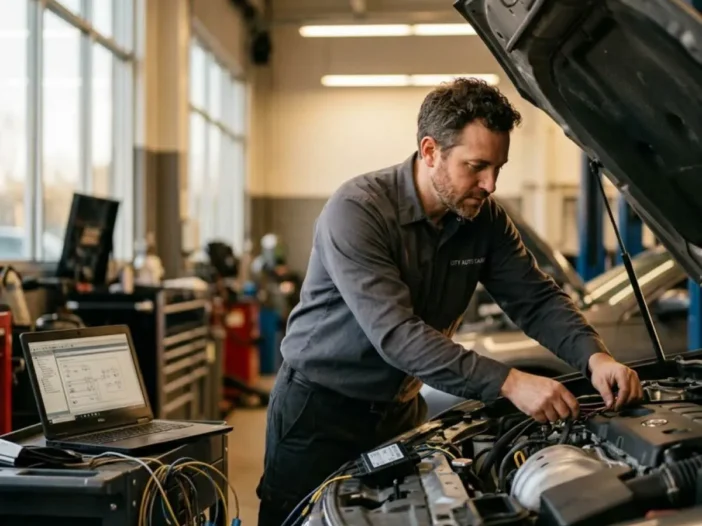
You will need to have your interlock device installed at a service center by a certified interlock device provider. You will have to schedule an appointment with your provider either online or via phone and bring in your car at the designated date and time. Where you can have your interlock device installed may depend on the make and model of your car, so you will need to verify that with your provider when you make your appointment.
It’s important to have your interlock device professionally installed to make sure your device works properly, and also because you will be required to come back in for recalibration at set intervals, as decided during your arraignment. There are actually laws in place that prohibit the participant of the program to install or remove their own device, so you are legally obligated to have it professionally installed at a service center. There is really no way around it.
How to Get a Breathalyzer Installed in Your Car: Step by Step
Getting a breathalyzer installed in your car comes down to six steps: confirm your paperwork, choose a state-approved provider, get a quote, schedule the appointment, show up with the right documents, and complete a short training before you drive off.
- Confirm your requirement. Your court order or DMV notice will state your deadline, how long you need the device, and any program rules. Read it carefully before you book anything, and ask the court clerk or your attorney if anything is unclear.
- Choose a state-approved provider. The device has to be certified for your state’s interlock program, so confirm the provider is approved where you live before you commit.
- Get a quote first. Installation fees and monthly costs vary between providers, so a quick quote up front can save you real money over a months-long requirement. Low Cost Interlock’s quote form takes about 60 seconds.
- Schedule the installation. You can schedule your interlock installation online or by phone. Quick appointments are often available, and some service centers offer drop-off vehicle service so you don’t have to wait around.
- Attend the appointment. A certified technician installs the device and walks you through how to use it. More on what that looks like below.
- Handle the paperwork. In many states, the installer issues a proof-of-installation certificate that goes to the DMV or the court. Requirements vary by state, so confirm with your provider and the agency handling your case that everything has been filed before your deadline.
What Does Interlock Device Installation Cost?
Installation is usually a one-time fee, and across the industry it typically falls somewhere between roughly $70 and $150 depending on your vehicle and the provider. Monthly lease and monitoring fees are billed separately, and industry-wide those often run around $60 to $90 per month.
A few things drive the ignition interlock device cost up or down: how complex your vehicle’s wiring is, what your state’s program requires, and how the provider structures its fees. When you compare quotes, look at the total: the installation fee, the monthly rate, and whether things like calibration and reporting are included or billed as extras. A low teaser rate with add-on fees can end up costing more than a straightforward monthly price.
If you’re searching for the cheapest interlock device near you, price-shop the whole term of your requirement, not just the first visit. Low Cost Interlock publishes its approach on its ignition interlock pricing page: transparent pricing with no hidden fees, flexible billing options, and a Price Match Guarantee. For a deeper breakdown of what you’ll pay over the life of a requirement, see this guide to how much interlock devices cost.
One more thing worth checking: some states offer reduced-cost interlock programs for drivers who qualify financially. Ask the court handling your case or your state’s interlock program office whether you’re eligible.

What Should You Bring to Your Installation Appointment?
Bring your paperwork, your ID, and your vehicle, and plan for a short wait. Here’s the practical checklist:
- Your court order or DMV notice showing the interlock requirement
- A valid photo ID
- Your vehicle registration or basic vehicle information
- A notarized permission letter from the registered owner, if the car isn’t registered to you
- A payment method for the installation fee
- A licensed driver to get you there, if your license is currently suspended
Exact requirements vary by state and provider, so confirm the list when you book your appointment. It’s an easy phone question that prevents a wasted trip.
What Happens During the Installation Process?
When you bring in your car to have your interlock device installed, a technician will install the device for you. However, before you leave, the technician will give you some hands-on training on how to use your device.
This training period is mandatory, as you often will not be able to leave the service center until you demonstrate that you can successfully perform the interlock device breath test two or three times. The testing process is easy and should only take a few minutes, so this should not be cause for concern.
You may also be required to watch a short training video that gives you further information about your interlock device, including what different messages on the device mean, what the different sounds indicate, etc. You will also likely be given a training and operation manual that you can use for reference should you need it.
How Long Does an Interlock Device Installation Take?
Most interlock device installations take somewhere between an hour and a few hours, and the honest answer is that it varies by vehicle. This depends on your vehicle’s make and model, as certain cars will take longer than others, and some will require certain customizations. You will need to make sure your provider is certified to install the interlock device on your specific vehicle.
You also need to allow for a little extra time for the required training that goes along with the installation of your interlock device, so you will need to make sure you block off enough time from your obligations to meet these requirements. For most drivers, setting aside a few hours covers the appointment comfortably, and drop-off vehicle service can spare you the wait entirely where it’s available.
Where Should You Have Your Interlock Device Installed?
The only legal requirement for your interlock device is that you have it installed by a certified, professional provider. However, you should consider where your provider is located, as well as if they are able to install the device on your particular make and model of car. Your provider’s service center should ideally be conveniently located to you, as you will need to return consistently for recalibration appointments.
If you’re searching for interlock device installation near me, start with a provider’s location finder rather than driving around comparing shops. You can find an interlock installation location near you by state and city, then weigh the drive time against the monthly price. Since you’ll be visiting for service appointments throughout your requirement, a center near your home or work saves you time all year, not just on installation day.
Can You Install Your Interlock Device Yourself?
No. As mentioned above, you are legally required to have your interlock device installed by a professional at a certified provider’s service center. This device will be monitored for the period of time set in your agreement, and any attempt to disconnect or tamper with your device will be logged in the database, and result in an alarm, service call, or total vehicle lockout.
Vehicle Questions Before You Book
Most cars, including older ones and cars registered to someone else, can take an interlock device. Here are the vehicle questions that come up most before an appointment.
Can an Interlock Device be Installed in an Older Car?
An interlock device can often be installed on older cars, however, the car’s electrical system will need to meet certain minimum standards. Your technician will determine if your car meets these standards during your installation appointment. If your car does not meet these standards, you may need to make adjustments to your car to allow for the device to be installed.
Can You Have the Interlock Device Installed on a Vehicle not Registered to You?
You often can, but you will need to have a notarized letter of permission from the registered owner of the vehicle in order to have the device installed in the car. Often, the owner will have to be present during installation as well.
Do you Need to have Any Work Done to your Car to have an Interlock Device Installed?
Often no, but you may, depending on your vehicle’s make and model and if it meets certain electrical standards. You should talk to your provider before you have any work done to your car.
Can you Drive yourself to your Installation Appointment?
It depends. If your driving privileges have been revoked or suspended by the court, someone else with a valid driver’s license will have to drive you to your installation appointment. If not, you will be able to drive yourself.
Will the Interlock Device Affect Your Car?
A properly installed interlock device won’t harm your vehicle. The questions below cover repairs, batteries, and what the device can and can’t do to your car.
What About Regular Repairs to your Car? Will This Interfere with the Device?
It depends on what you are having repaired. You should have your mechanic talk to your provider before doing any work, as disconnecting your car’s ignition could show up as a potential tampering event, which can come with some serious penalties. If this occurs, you will need a receipt to show that it was not a tampering event. Most minor maintenance work will not require a consultation with your provider, but you should always play it safe.
Can You Disconnect Your Battery After Your Interlock Device is Installed?
Just like the question above, you should always consult with your provider before disconnecting your battery, as it may trigger a tampering event. You must always follow set procedures to make sure you are staying legally compliant within your agreement.
Will Your Interlock Device Drain Your Battery?
It shouldn’t, but it can in certain scenarios. Most interlock devices will monitor certain aspects of your vehicle even when the ignition is turned off, which will use a small amount of your battery power. Most will have a “sleep” mode that conserves power, but will still always remain on. If you leave your vehicle unattended or unused for an extended period of time or have an unreliable battery, the interlock device may drain your battery power. Check with your provider’s service center to see what they recommend.
Can the Interlock Device Turn Off Your Vehicle?
No, the interlock device cannot shut off your car once it has been started. If you fail your breath test before you start your car, it will not allow you to start the vehicle for a set amount of time. If you fail a rolling retest, your device will signal an alarm, honk your car horn, or flash the lights until you pull over safely and turn off the ignition yourself. Then, the same procedure follows.
Can Your Interlock Device Damage Your Vehicle?
No. The interlock device is harmless to your vehicle as long as it is properly installed, removed, and serviced by a professional technician. However, if you try to tamper with the device or make any adjustments on your own, you may cause harm to your car. In addition to this being illegal, you may damage your vehicle.
What Happens After Installation?
Once the device is in, your routine has three parts: test before you drive, retest while you drive, and come back for scheduled service visits until your requirement ends.
Every trip starts with a breath test, and after the engine is running the device will periodically prompt you for an interlock rolling retest. The device signals when a retest is due and gives you time to provide the sample, so it becomes routine quickly for most drivers.
You’ll also return to the service center for calibration and monitoring appointments at set intervals. Those intervals vary by state and program, and missing one can count as a violation, so put the dates on your calendar the day you leave your installation appointment.
The device logs your tests and reports the data to the agency overseeing your case, which is how you demonstrate compliance. Providers handle this differently on the billing side; Low Cost Interlock includes comprehensive reporting at no additional cost.
How do you Remove your Interlock Device?
You don’t! Not on your own anyway. You will have to have your interlock device removed by a professional technician at your service center. The process is easy and does not take long, but you will need to notify your provider in advance and schedule an appointment for removal.
You and your provider will each have your court order to make sure you are having your device removed at the proper time. When you are eligible to remove your device will vary based on your individual case. You can also choose to keep the device in your car on a voluntary basis if you feel you are at risk for drinking and driving.
How Do You Choose an Interlock Device Provider?
Choosing an interlock device provider may be mandated by the court, but most often is up to you to choose, provided that they are a certified provider. Some factors to consider include the location of the provider’s service center, as you will want it to be conveniently located to where you live and/or work, and whether or not the provider has any history of suspensions or decertifications. Some service providers may offer insurance for the lease of the device, which might also be a wise choice.
Since you’ll be paying this provider every month for the length of your requirement, compare on total cost, not just the installation fee. Ask each provider three questions: what’s the all-in monthly price, what’s included in it, and is the device approved for my state’s program? A provider with transparent pricing, a Price Match Guarantee, and a service center near you checks the boxes that matter most.
How to Schedule Ignition Interlock Installation
After you’ve done your homework to find the best interlock provider for your needs, you should give them a call to make an installation appointment or schedule one online. You then simply show up at the scheduled date and time to have your interlock device installed. If you’re on a court deadline, say so when you book. Quick appointments are often available, and scheduling a few days ahead of your deadline leaves room to submit proof of installation on time.
Frequently Asked Questions
How do you get a breathalyzer installed in your car?
Contact a state-approved interlock provider, get a quote, and schedule an appointment at a nearby service center. A certified technician installs the breathalyzer, trains you on it, and in many states files proof of installation with the DMV or court. You cannot legally install one yourself.
How long does it take to install an interlock device?
Plan for somewhere between an hour and a few hours. The time varies with your vehicle’s make, model, and wiring, plus the short mandatory training session afterward. Booking your appointment with a cushion before any court deadline keeps the timing stress-free.
How much does interlock device installation cost?
Across the industry, one-time installation fees typically run roughly $70 to $150, depending on the provider and your vehicle. Monthly lease and monitoring fees are separate. Get quotes from a couple of providers and compare the total cost over your full requirement, not just the first visit.
How much is an interlock device per month?
Industry monthly fees typically range from about $60 to $90, covering the device lease and monitoring. What’s included varies by provider, so ask whether calibration and reporting are part of the monthly price or billed separately before you sign anything.
Can you install an interlock device yourself to save money?
No. State interlock programs require installation by a certified technician, and a self-installed device won’t satisfy your court or DMV requirement. Attempting it can also register as tampering, which carries penalties. The savings play is comparing provider quotes, not installing it yourself.
Do you have to own the vehicle to have an interlock device installed?
No. You can usually have the device installed in a car registered to someone else, such as a family member, if the registered owner provides a notarized permission letter. The owner may also need to be present at installation. Confirm the exact requirements with your provider and state program.
Can you drink at all with an interlock device?
Don’t drink and drive with an interlock device, period. Even small amounts of alcohol can register on a breath test, and a failed test locks the vehicle and gets reported. If you drank the night before, learn how long after drinking you can use an ignition interlock before you get behind the wheel.
How do you find interlock device installation near me?
Use a provider’s location finder to search by state and city, then choose a service center close to home or work. Proximity matters more than most people realize because you’ll return for calibration and service visits throughout your requirement, not just for the installation itself.
What is a DMV-approved ignition interlock device?
It’s a device that your state’s motor vehicle agency or interlock program has certified for use in that state. Approval lists vary by state, so confirm that both the device and the installer are approved where you live before booking. An unapproved device won’t satisfy your requirement.
Will an interlock device damage your car or drain the battery?
A professionally installed interlock device won’t damage your vehicle, and battery drain is rarely an issue in a car driven regularly. If your car sits unused for long stretches or has a weak battery, ask your service center what they recommend to avoid a dead battery.
The Bottom Line
Interlock device installation is a scheduled appointment, a few hours of your day, and a short training session. The part you control is what you pay and how convenient the next several months are, so it’s worth a few minutes to compare quotes and pick a service center near you. You don’t have to overpay for an interlock device: get a quote from Low Cost Interlock in about 60 seconds or call (844) 387-0326 to schedule your installation.
Disclaimer: This article is provided by Low Cost Interlock for general informational purposes only and is not legal, financial, or medical advice. DUI and ignition interlock laws, penalties, fees, and program requirements vary by state, county, and individual circumstances, and they change over time. Any costs, timelines, or figures mentioned are general estimates, not quotes or guarantees. Nothing here should be relied on as a statement of the law in your jurisdiction. Always confirm current requirements with your state DMV, the court handling your case, a licensed attorney, or Low Cost Interlock directly before making decisions. Product features, pricing, availability, and promotions referenced are subject to change and may not be available in every state Low Cost Interlock serves.