
How Long Does Alcohol Stay On Your Breath? Breathalyzer Detection Guide
How long can alcohol be detected in a breathalyzer? For as long as alcohol is still in your blood. That window depends on how much you drank, how quickly your body absorbed it and how quickly it clears it, so there’s no fixed number of hours that fits everyone. Your body works through alcohol at its own steady pace, and coffee or a cold shower won’t change that.
The question is more pressing if you drive with an ignition interlock device (IID), because the device checks your breath every time you start the car.
How Breathalyzers Measure Alcohol on Your Breath
When you drink, alcohol isn’t broken down right away. It passes from your stomach and small intestine into your bloodstream and travels through your body with your blood. Because alcohol in the stomach and intestine keeps entering the bloodstream after you stop, your level can keep climbing after your last drink.
As your blood moves through your lungs, some of that alcohol passes into the air inside them, and you breathe it out. A breath test measures it as a breath alcohol concentration (BrAC), which tracks the level in your blood. Breath and blood tests measure the same alcohol from two different samples.
Blood alcohol concentration (BAC) is written as a percentage. A BAC of 0.08 means 0.08 grams of alcohol per 100 milliliters of blood.
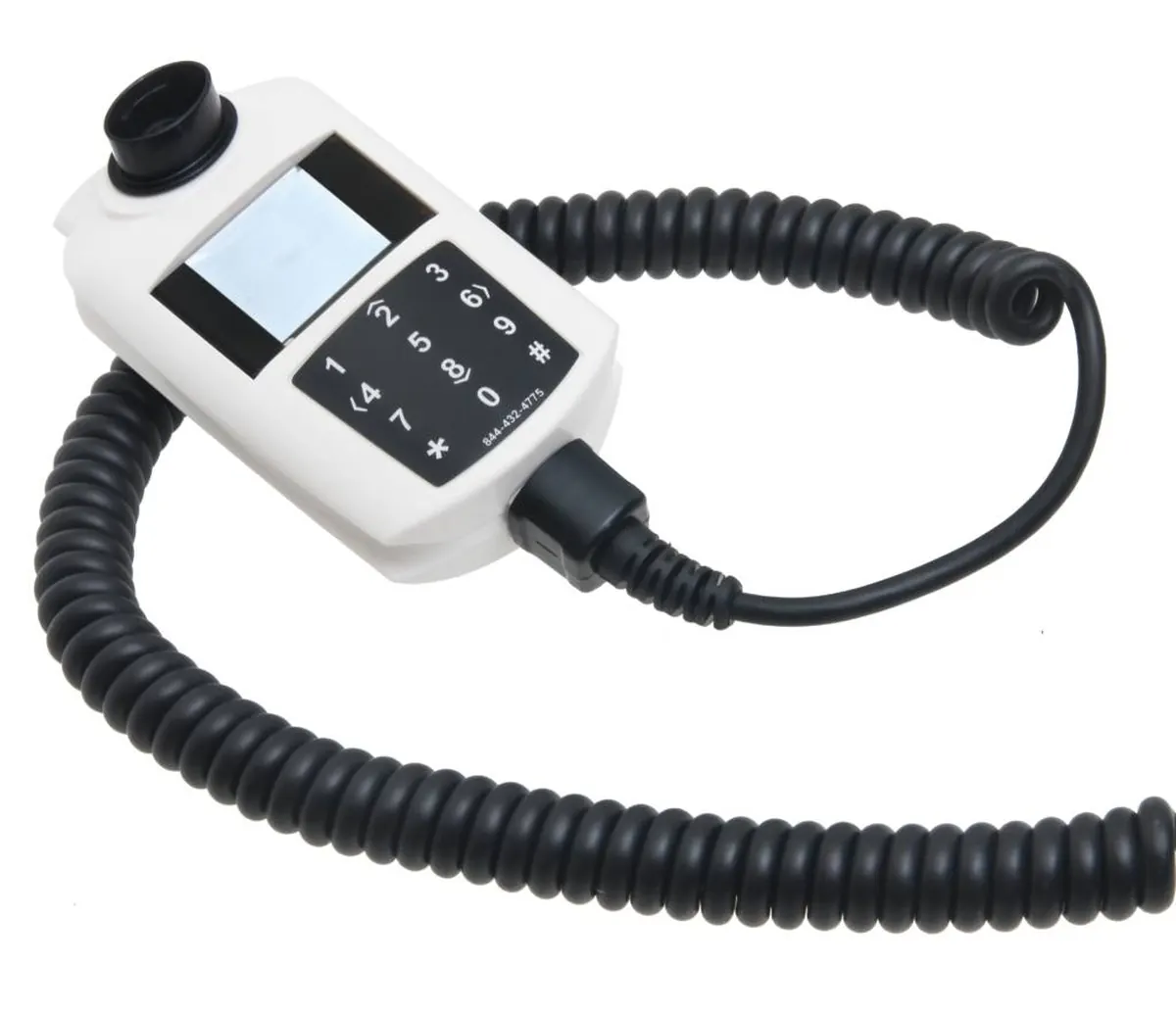
An ignition interlock device uses the same idea. You blow into the handset, the device turns the alcohol in that sample into a reading, and the car starts only when the reading is under the limit your program sets.
How Long Can Alcohol Be Detected in a Breathalyzer Test?
A breathalyzer can pick up alcohol as long as there’s alcohol in your blood. Two stages decide how long that lasts.
- Absorption. After you stop drinking, your level keeps rising while your body absorbs what’s left in your stomach and intestine. Your peak blood alcohol level arrives between 10 and 120 minutes after the end of drinking, and about 60 minutes on average.
- Elimination. Once absorption is done, your body clears alcohol at a fairly constant rate. The usual elimination rate is about 0.010 to 0.025 grams per 100 milliliters per hour, with an average of 0.015.
The higher your level climbs, the longer it takes to fall back to zero, and two people who drank the same amount can test differently hours later. That’s why this guide doesn’t turn a number of drinks into an hour count. The only safe plan is to stay off the road after drinking.
Why an Interlock Can Catch a Low Level
An interlock can be set far below the 0.08 legal limit for driving. In Tennessee, for example, trying to start the car with a BrAC above .020% counts as a violation of the state’s interlock program. Your own program sets its limit, so check your paperwork.
A level that low may be one you can’t feel, which is why a morning test after a late night can fail. The guide on how long after drinking you can use an ignition interlock covers what that means for your first test of the day.
Factors That Affect How Long Alcohol Can Be Detected in a Breathalyzer
How alcohol affects you varies from person to person. Age, tolerance, sex, how fast you drink, medications you take and how much food you’ve eaten can all play a part.
How much alcohol you drank also counts more than the number of glasses. In the United States, one standard drink holds about 14 grams of pure alcohol, the amount in a 12-ounce regular beer, a 5-ounce glass of wine or a 1.5-ounce shot of spirits. A strong beer or a heavy pour holds more than one.
Some products can also leave alcohol in your mouth for a short time and cause a high reading right after you use them. Mouthwash and some foods and other items can trigger a BrAC reading this way. If that happens on your interlock, call support before you try anything else.
Does Coffee or Sleep Clear Alcohol Faster?
No. Coffee, cold showers and walking around don’t reverse the effects of alcohol. Your body clears alcohol at its own rate, and only time brings your level down.
Sleep doesn’t speed that up either. If you drank heavily late at night, some alcohol may still be in your blood when you wake up, so plan your morning before you have the first drink.
The Dangers of Drinking and Driving
Alcohol slows reaction time and weakens judgment, coordination and attention well before you feel drunk. The impairing effects of alcohol can begin at a level as low as 0.020, far under the legal limit.
The dangers of drinking and driving reach past the driver to everyone else on the road, and a driving under the influence (DUI) or driving while intoxicated (DWI) charge is only one of the possible results. Plan a ride home before you start drinking.
Frequently Asked Questions About Breathalyzer Detection Times
Can a breathalyzer detect alcohol after 12 hours?
It can if alcohol is still in your blood. Your body clears alcohol at a fairly steady rate, so the more you drank, the longer it stays. A heavy night can leave alcohol in your blood the next morning, while a single drink usually won’t last that long. No hour count works for everyone, so if you drank a lot the night before, don’t count on the clock alone.
Can you pass a breathalyzer 24 hours after drinking?
That depends on how much you drank. Your body removes only so much alcohol per hour, and the rate differs from person to person, so a large amount takes far longer to clear than a small one. If you have an interlock and you’re unsure, wait. A failed test is recorded, and your program decides what it means.
How long does it take for alcohol to not show up on a breath test?
It takes as long as your body needs to clear the alcohol from your blood. That depends on how much you drank, how fast, whether you ate and your own metabolism. Your level also keeps rising for a while after your last drink. There’s no shortcut: coffee, cold showers and sleep don’t speed it up.
Will 1 sip of alcohol show up on a breathalyzer?
It can, if you test right after the sip. A small amount lingers in the mouth briefly and registers before it fades, even with almost none in your blood. That’s mouth alcohol rather than a true blood level. If you use an interlock, skip alcoholic drinks entirely, and phone support if a reading doesn’t match what you’ve had.
How long does it take to be 0.00 after one drink?
There’s no fixed time. Your level first rises while the drink is absorbed, then falls at a rate that differs from person to person. Food, body size, medications and how quickly you drank all change the result. If your program uses an interlock, the safest choice is to skip alcohol before you drive at all.
Next Steps if You Need an Interlock
If a court or the Department of Motor Vehicles (DMV) requires an ignition interlock, Low Cost Interlock can schedule your installation once that requirement is in place. You get transparent pricing with no hidden fees, flexible billing options and a Price Match Guarantee. See interlock pricing for a 60-second quote, call (844) 387-0326, or contact the team. Your state’s page lists local service centers. See California or Missouri, for example.
Disclaimer: This article is provided by Low Cost Interlock for general informational purposes only and is not legal, financial, or medical advice. DUI and ignition interlock laws, penalties, fees, and program requirements vary by state, county, and individual circumstances, and they change over time. Any costs, timelines, or figures mentioned are general estimates, not quotes or guarantees. Nothing here should be relied on as a statement of the law in your jurisdiction. Always confirm current requirements with your state DMV, the court handling your case, a licensed attorney, or Low Cost Interlock directly before making decisions. Product features, pricing, availability, and promotions referenced are subject to change and may not be available in every state Low Cost Interlock serves.