
How to Find the Best Interlock Device for Your State
The best interlock device is the one your state approves for your program, installed and serviced by a certified provider with clear pricing, a location near you and support you can reach when something goes wrong.
Choosing an interlock can be confusing when you don’t know what to ask. Once a court or your state’s DMV has ordered an interlock, the useful questions are about the provider: is it approved where you live, what will you pay, how far away is the nearest service center, and who picks up when you call?
Which Interlock Device Is the Best?
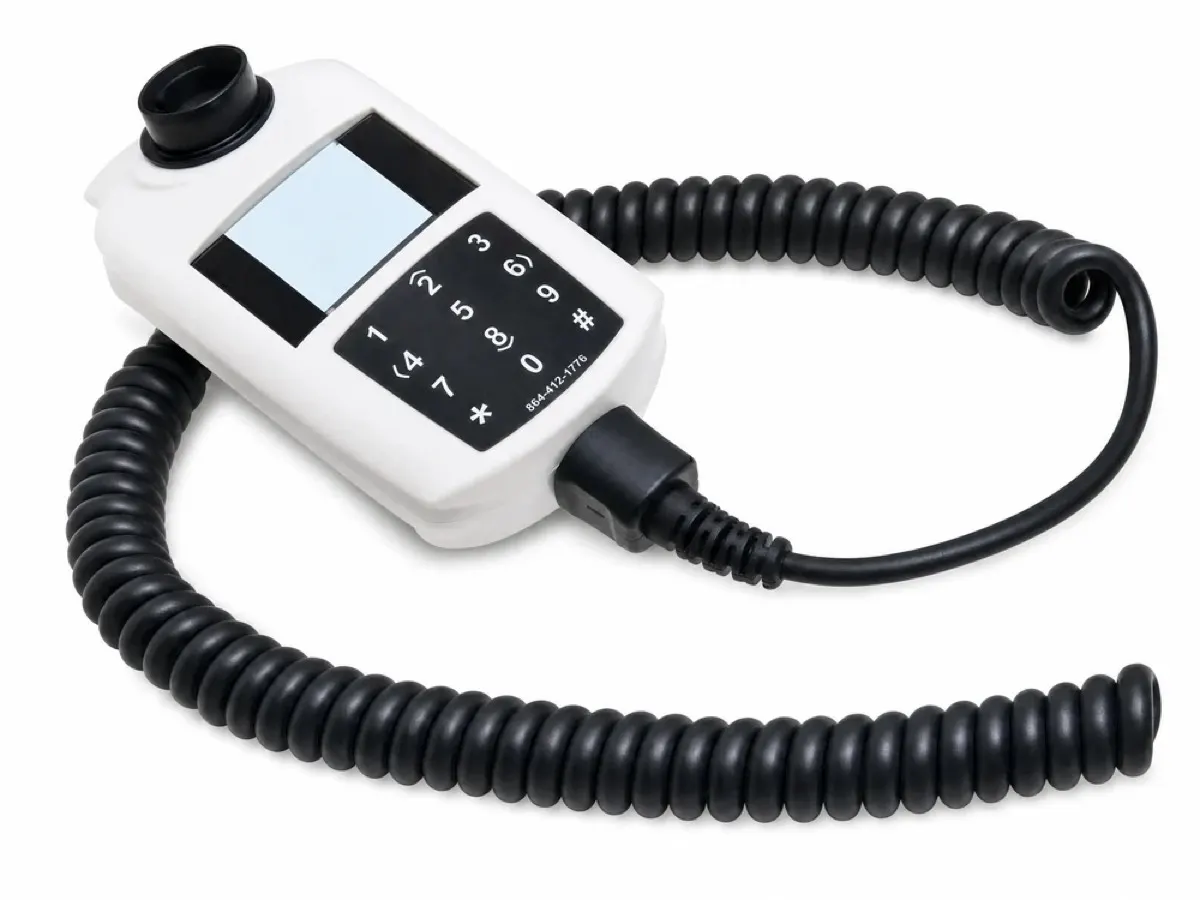
No ranking of interlock brands holds in every state, because each state sets its own interlock rules and approves the devices and providers that can serve its drivers. A device on one state’s list may not be on the next state’s. Ignition interlock devices, sometimes called car breathalyzers, work on the same basic principle: you blow into the mouthpiece, and the car starts only if the result is under the limit your program sets.
At Low Cost Interlock, your state determines the device. LCI offers one device in each state it serves: the 777 in Arizona, California, Connecticut, Idaho, Kansas, Minnesota, Wisconsin and Wyoming, and the Co-Pilot in its other states. In the states that use the 777, the Interlock Can is a cover that fits over the device and looks like a soda can.
Start With What Your Court or DMV Requires
Before you contact any provider, read what the court or licensing agency ordered. That order sets how long you need to keep the interlock, and your state may add requirements of its own. Who has to install one, and for how long, varies from state to state, as the state ignition interlock laws summary shows. Judges can also order an interlock for a set period as part of a sentence.

Your state may also set what the device has to record and report. Interlocks typically log test results, engine starts and stops, disconnections and signs of tampering, and some programs also ask for location data. A certified provider can walk you through what your order requires, and at LCI your state already sets the device that meets it, so your first call covers scheduling and paperwork.
How to Choose the Best Interlock Device Provider
If your court or licensing agency has ordered you to install an ignition interlock device in your car, it may give you a list of approved providers. Your interlock has to be installed and serviced by a provider approved for your program, so start with that list.
You want someone who knows the process and can guide you through each step, from submitting paperwork to removing the ignition interlock device once you’ve completed your requirements.
When you compare providers, check these five things:
- State approval: the provider is approved for your state’s program right now, which your DMV or the court handling your case can confirm. Every LCI location is state-certified.
- Transparent pricing: a written list of every fee before you sign, including enrollment, installation, monthly service, calibration and removal. LCI offers transparent pricing with no hidden fees.
- Service locations: a service center close enough to reach for each calibration appointment. You can search LCI’s service centers by state.
- Support: a phone number and a clear process for when the device or the car has a problem. LCI’s emergency tech support page has the number to call.
- Billing: payment terms that fit your budget. LCI offers flexible billing options.

Ask whether the provider can install on your vehicle before you book, especially if you drive a motorcycle, a push-start car or a hybrid with a start-stop engine.
What Makes an Interlock Device Easy to Use
You won’t choose the device model, but you can ask a provider how its test works before you sign up. Ask about three parts of the daily routine:
- Warm-up and test time: Ignition interlock devices need to warm up before you can provide a breath sample, but some can take longer than others, especially depending on the weather and temperature. Ask how the device handles the temperatures where you live.
- Ease of use: Some devices ask for a breathing pattern, such as a hum or an inhale partway through the test. Aside from taking extra time, these patterns can get confusing and may require you to submit multiple samples until you get the pattern right. The test on LCI’s devices is a straight blow into the mouthpiece, with no hum or inhale pattern to learn.
- Hygiene: You’ll put your lips on the mouthpiece every time you test, so ask how often you should change the interlock mouthpiece and how the provider cleans a device before it’s installed.
Interlock Pricing: What to Ask Before You Sign
Cost is part of answering which interlock device is the best for your situation, since you’ll pay for it every month of your program. Make sure you consider installation and leasing fees. Ask what is included with the calibration and maintenance fees. Some providers offer long-term contracts, so ask whether the agreement has a set term and what it costs to end it early.
Interlock costs vary by state and program, so get a written quote for your state before you sign. LCI offers a Price Match Guarantee, and you can get a quote in 60 seconds on the ignition interlock pricing page.
Frequently Asked Questions
Which interlock is the best?
The best interlock is the one your state approves for your program, from a certified provider with clear pricing, a service center near you and support you can reach. A device ranked first in one state may not be approved in the next, because each state sets its own rules. At Low Cost Interlock, your state sets the device: the 777 in some states and the Co-Pilot in the others.
What is the easiest interlock device to use?
The easiest device has a simple test and comes from a provider who shows you how to use it at installation. Some devices ask for a hum or an inhale during the test, while LCI’s devices take a straight blow into the mouthpiece. Ask your installer to run through a test with you before you drive away, and call support if a result doesn’t make sense.
Do cops know if you have an interlock device?
They can. An interlock requirement is usually tied to your driver’s license, so it may show up as a restriction when an officer checks your license or driving record. How it’s recorded differs by state, and your DMV can tell you what appears on yours. Keep any paperwork your program requires in the car with you.
How long can an IID detect alcohol?
An interlock measures the alcohol in your breath at the moment you blow, so it can detect alcohol for as long as enough of it remains in your system to register. The timing depends on how much you drank, when you stopped and your own body, so how long after drinking you can use an interlock differs from person to person, with no single safe number.
Get Your Interlock From Low Cost Interlock
Low Cost Interlock is one of the most affordable interlock providers in the states it serves. Once a court or DMV requires an interlock, schedule your installation at a location near you, or call (844) 387-0326 to confirm which device your state uses.
To start the process or ask a question first, contact us today.
Disclaimer: This article is provided by Low Cost Interlock for general informational purposes only and is not legal, financial, or medical advice. DUI and ignition interlock laws, penalties, fees, and program requirements vary by state, county, and individual circumstances, and they change over time. Any costs, timelines, or figures mentioned are general estimates, not quotes or guarantees. Nothing here should be relied on as a statement of the law in your jurisdiction. Always confirm current requirements with your state DMV, the court handling your case, a licensed attorney, or Low Cost Interlock directly before making decisions. Product features, pricing, availability, and promotions referenced are subject to change and may not be available in every state Low Cost Interlock serves.