
How Long After Drinking Can You Use an Ignition Interlock Device?
There is no set number of hours that guarantees you will pass your ignition interlock test after drinking. The device measures the alcohol that is actually in your breath at that moment, and how fast your body clears alcohol depends on how much you drank, over how long, and on personal factors like body size, food, and liver health.
The only reading that always passes is zero. Everything else is a gamble, and the stakes are high: a failed startup test can mean a lockout, a report to your monitoring authority, or worse, depending on your state and program.
This article explains how the device reads alcohol, why morning-after failures are so common, what typically happens after a failed test, and how to build a buffer plan that keeps your record clean.
The Short Answer: No Set Number of Hours Works for Everyone
If you are looking for a “safe to blow after X hours” rule, there isn’t one. Two people can drink the same amount and clear it at very different speeds, and the same person can clear it differently on different nights.
A common planning average is that the body clears roughly one standard drink per hour. Treat that as a rough floor, not a promise. The National Institute on Alcohol Abuse and Alcoholism explains that alcohol metabolism varies from person to person based on enzymes, genetics, and other factors, so your real rate may run slower than the average.
That is why the practical advice is blunt: if you have an interlock, plan your drinking around your driving, not the other way around. Give yourself far more time than the math suggests, and when in doubt, don’t blow. Wait.
How an Ignition Interlock Detects Alcohol in Your Breath
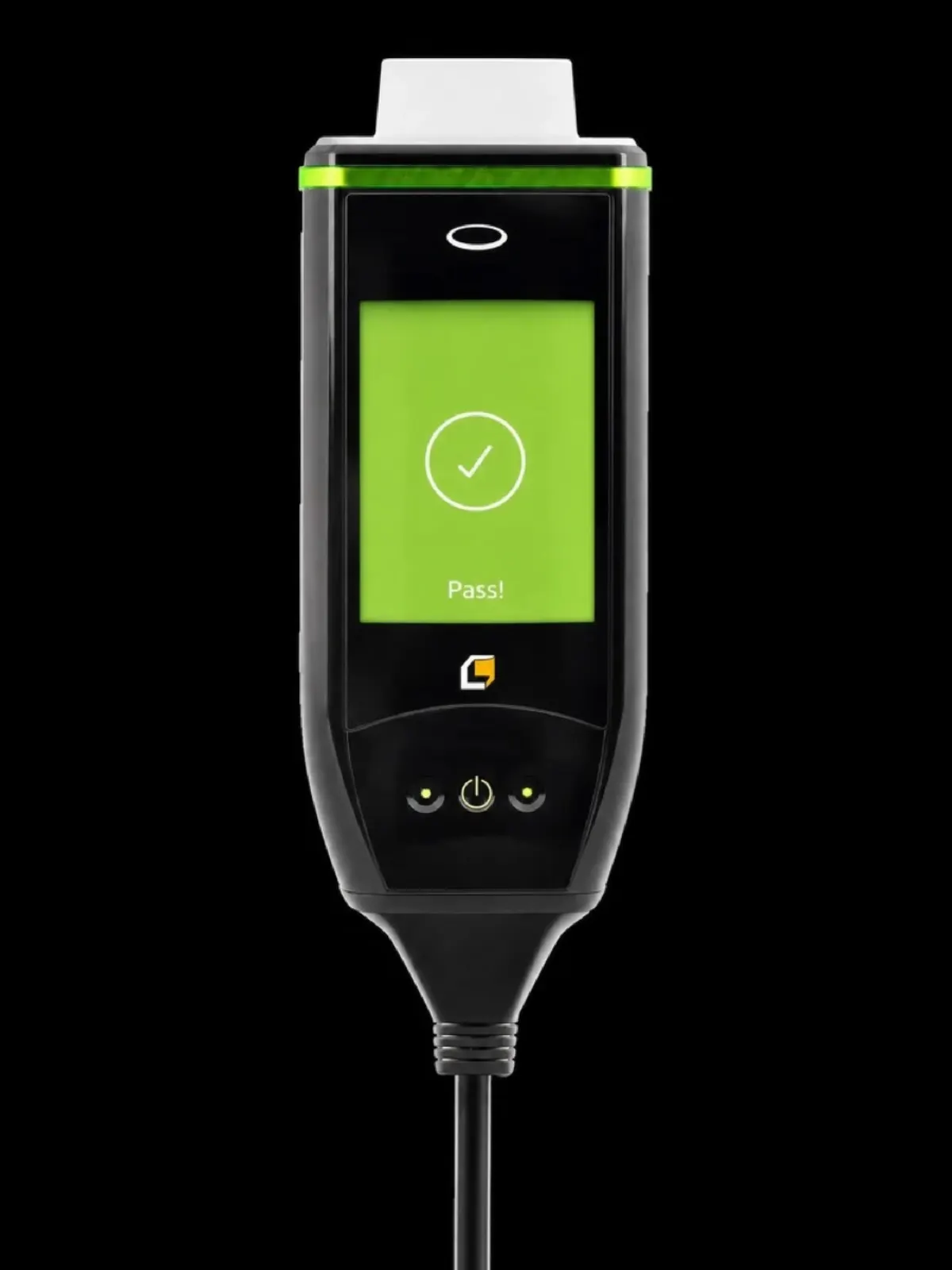
An ignition interlock reads breath alcohol concentration (BrAC) directly from the sample you blow, so it detects any alcohol still in your system, whether you feel impaired or not. An ignition interlock device consists of a mouthpiece, a handheld device, and a cord that connects to a vehicle’s ignition system. Before starting the engine, the driver must blow into the device.
The vehicle will not start unless your breath sample comes back below a pre-set limit. Per the CDC’s overview of ignition interlock programs, that limit is usually around 0.02 g/dL, far below the 0.08 limit most states use for a DUI arrest. Your program paperwork lists the exact setting for your device, and some states set it lower.
Modern IIDs use fuel cell technology to measure BrAC. The device contains platinum electrodes that react with alcohol in the breath, producing an electrical current. The stronger the current, the more alcohol is in the sample. If you want the deeper mechanics, our guide to how a breathalyzer works in a car walks through the full process.
Two more things matter for the “how long should I wait” question:
- The device logs everything. Test results go to your monitoring authority, so a failed or missed test is not a private mistake.
- Startup tests are not the only tests. Most programs require rolling retests while you drive, so alcohol that clears enough to start the car can still trip a retest an hour later if your reading is borderline.
Breath alcohol and blood alcohol are closely related but not identical measurements. Our comparison of blood alcohol versus breath alcohol explains why the device can read alcohol you no longer feel.
How Your Body Processes Alcohol (and Why You Can’t Rush It)
Your liver clears alcohol at its own steady pace, and nothing you do speeds it up. Once alcohol is in your bloodstream, time is the only thing that removes it.
BAC represents the amount of alcohol in the blood and is expressed as a percentage. A BAC of 0.08% means 0.08 grams of alcohol per 100 milliliters of blood. Several personal factors change how fast that number falls:
- Age. Older adults often metabolize alcohol less efficiently.
- Genetics. The enzymes responsible for alcohol metabolism vary by individual.
- Body size and composition. Smaller individuals and those with less muscle mass generally reach higher BACs from the same drinks.
- Liver health. A compromised liver metabolizes alcohol more slowly.
- Food and hydration. Eating before drinking slows alcohol absorption.
What Counts as One Standard Drink
“I only had a few drinks” hides a lot of variation, because drinks are not equal. Per the NIAAA’s standard drink guide, a standard drink in the U.S. contains about 14 grams of pure alcohol, which is roughly equivalent to:
- 12 ounces of regular beer (5% ABV)
- 8 to 9 ounces of malt liquor (7% ABV)
- 5 ounces of wine (12% ABV)
- 1.5 ounces of distilled spirits (40% ABV)
A 9% craft IPA in a 16-ounce pour is closer to three standard drinks than one. If you count your drinks by the glass instead of by alcohol content, your mental math about “how long until I’m clear” will run short.
Can You Speed Up Alcohol Metabolism?
No. Myths such as drinking coffee, taking cold showers, or vomiting do not accelerate alcohol metabolism. Sleeping does not speed up the process either. The only way to sober up is to wait.
Will You Pass Your Interlock the Morning After Drinking?
Maybe, but there is no guarantee, and morning failures are one of the most common ways interlock users get into trouble. If you drank heavily or stopped drinking late, alcohol can still be in your breath when your alarm goes off.
The math is unforgiving. If you finish your last drink at 1 a.m. after a long evening, the one-drink-per-hour average says several drinks may still be unprocessed at a 7 a.m. start time. Your body does not care that you slept; someone can wake up still impaired if they drank heavily before sleeping.
Depending on how much you drank, breath alcohol can remain detectable for many hours after your last drink, sometimes well into the next day. That is why “can a breathalyzer detect alcohol after 24 hours” is a real question people ask: after a very heavy night, the honest answer is that it’s possible.
If you have an early drive, the reliable move is to stop drinking early the night before, keep the quantity modest, or skip it entirely. If you wake up unsure, do not test on hope. Wait, drink water, eat, and retest your own judgment: if any part of you wonders whether you’ll pass, that is your answer.
Why You Can Fail a Test Without Drinking That Day
Not every failed test comes from last night’s drinks. Interlocks read alcohol in your mouth and breath from any source, which trips up plenty of drivers who did nothing wrong.
Common culprits include:
- Mouthwash and breath sprays. Many contain alcohol that lingers in your mouth for several minutes.
- Foods and drinks. Fermented foods, some sauces, vanilla extract, kombucha, and even very ripe fruit can produce a brief reading. Our list of foods and items that can trigger a BrAC reading covers the usual suspects.
- Medications. Some cough syrups and liquid medicines contain alcohol.
- Hand sanitizer. Applying it right before a test, especially in a closed car, can affect a sample.
The good news: mouth alcohol fades fast, usually within about 15 minutes. Rinse with plain water, wait, and take the retest your device offers. Residual alcohol from actual drinking is different; it comes from your lungs, not your mouth, and no amount of rinsing changes it.
What Happens If You Fail a Startup Test?
A failed startup test usually triggers a short lockout before the device lets you retest, and the failed result is recorded. What happens next varies by state and program, so the consequences below are typical patterns, not promises.
Depending on your program, a failed test may lead to:
- A brief wait before a retest is allowed, with a longer lockout after repeated failures
- The result appearing in the report your monitoring authority reviews
- Consequences ranging from a warning to an extended interlock period, depending on your state’s rules and your history
One failed test with a clean retest is handled very differently than a pattern of failures in most programs. We cover the details, including how retests work and what monitoring authorities typically look for, in what happens if I fail my interlock test. Because interlock rules differ across jurisdictions, check your program paperwork or your state’s requirements; the Governors Highway Safety Association maintains an overview of how much state alcohol-impaired driving laws vary.
Remember why programs take this seriously: per the CDC, interlocks reduce repeat impaired-driving offenses by about 70% while they are installed. The device works because it is strict.
A Practical Buffer Plan for Interlock Users
The drivers who finish their interlock period without incident tend to follow the same few habits:
- Treat zero as the target, not the limit. Plan so that your BAC has been at zero for a while before you test, not so that you squeak under the device’s threshold.
- Count standard drinks, not glasses. Log what you actually drank and when you stopped.
- Stop early the night before a morning drive. The earlier your last drink, the more hours your body has to work.
- Build in a margin for error. Whatever your drink-per-hour math says, add hours on top. Averages describe groups, not your liver on a specific night.
- Keep mouth alcohol out of the car. Skip alcohol-based mouthwash and sanitizer right before you test, and rinse with water first.
- Have a backup ride ready. A rideshare or a friend costs less than a violation. If you are not sure you will pass, do not test.
These habits also protect you during rolling retests, where a borderline reading can catch drivers who “passed” at startup. For a fuller checklist, see our guide on how to avoid an interlock device violation.
Frequently Asked Questions
How long after drinking can you use an ignition interlock?
There is no universal safe waiting period. A rough planning average is one standard drink cleared per hour, but your actual rate depends on body size, food, genetics, and liver health, and it can run slower. The only reading that always passes is zero, so add a generous margin beyond the math and skip alcohol entirely when a drive is coming up soon.
Will I pass my interlock in the morning after drinking?
Not necessarily. If you drank heavily or finished late, alcohol can still be in your breath the next morning, and sleep does not speed up metabolism. Morning startup failures are among the most common interlock problems. If you have an early drive, stop drinking early the night before, keep quantities modest, or skip drinking altogether.
Will one beer set off an interlock?
It can, if you test too soon. One standard beer typically clears within a couple of hours for most people, but interlock fail points are set very low, often around 0.02 BrAC or lower, so even a small amount of recent alcohol can register. Give a single drink more time than feels necessary before testing.
Will one sip of alcohol show up on the device?
A single sip can register briefly as mouth alcohol, which is strongest in the minutes right after contact. It typically dissipates within about 15 minutes. If you have consumed anything with alcohol in it, even communion wine or a taste of a sauce, rinse with water and wait before you blow.
How many hours after drinking can a breathalyzer detect alcohol?
It depends entirely on how much you drank. Light drinking may clear in a few hours, while a heavy night can leave detectable breath alcohol well into the next day. Since the device measures what is in your breath right now, the total amount consumed and the time since your last drink matter far more than any fixed detection window.
How long will 2 beers show up on a breathalyzer?
For many people, two standard beers clear within a few hours, but that is an estimate, not a guarantee. Stronger beers, larger pours, drinking on an empty stomach, or a slower metabolism all stretch the timeline. With an interlock’s low threshold, waiting notably longer than the two-hour average is the safer play.
How much alcohol will set off an interlock device?
Very little. Interlock fail points are usually set around 0.02 BrAC or lower, a fraction of the 0.08 limit most states use for DUI. The exact setting varies by state and program, and your paperwork lists yours. Practically, treat any detectable alcohol as a failed test waiting to happen.
Can you drink the night before using your interlock?
Legally, an interlock restricts driving after drinking, not drinking itself, unless your court or program says otherwise. Practically, drinking the night before an early drive is how many users fail. If you choose to drink, stop early, keep it light, and be honest with yourself in the morning. When unsure, do not test.
Can coffee, a cold shower, or food help me pass sooner?
No. Coffee, cold showers, exercise, vomiting, and sleep do not speed up how fast your body clears alcohol. Eating before you drink slows absorption, which helps on the front end, but nothing removes alcohol that is already in your bloodstream except time. Anyone selling a faster fix is selling a violation.
What if I failed my interlock test but then passed the retest?
A fail followed by a quick clean retest often points to mouth alcohol from mouthwash, food, or medicine rather than drinking. Both results are still logged, and how your program treats the event varies by state. Rinse with water before testing, note what might have caused it, and keep your record of clean retests consistent.
The safest way to use an ignition interlock after drinking is to make sure “after” means long after, with a zero reading and hours to spare. If a test result ever leaves you confused or your device acts up at the worst moment, Low Cost Interlock’s support team answers 24 hours a day at (844) 387-0326, and you can schedule an installation or service visit online in minutes.
Disclaimer: This article is provided by Low Cost Interlock for general informational purposes only and is not legal, financial, or medical advice. DUI and ignition interlock laws, penalties, fees, and program requirements vary by state, county, and individual circumstances, and they change over time. Any costs, timelines, or figures mentioned are general estimates, not quotes or guarantees. Nothing here should be relied on as a statement of the law in your jurisdiction. Always confirm current requirements with your state DMV, the court handling your case, a licensed attorney, or Low Cost Interlock directly before making decisions. Product features, pricing, availability, and promotions referenced are subject to change and may not be available in every state Low Cost Interlock serves.